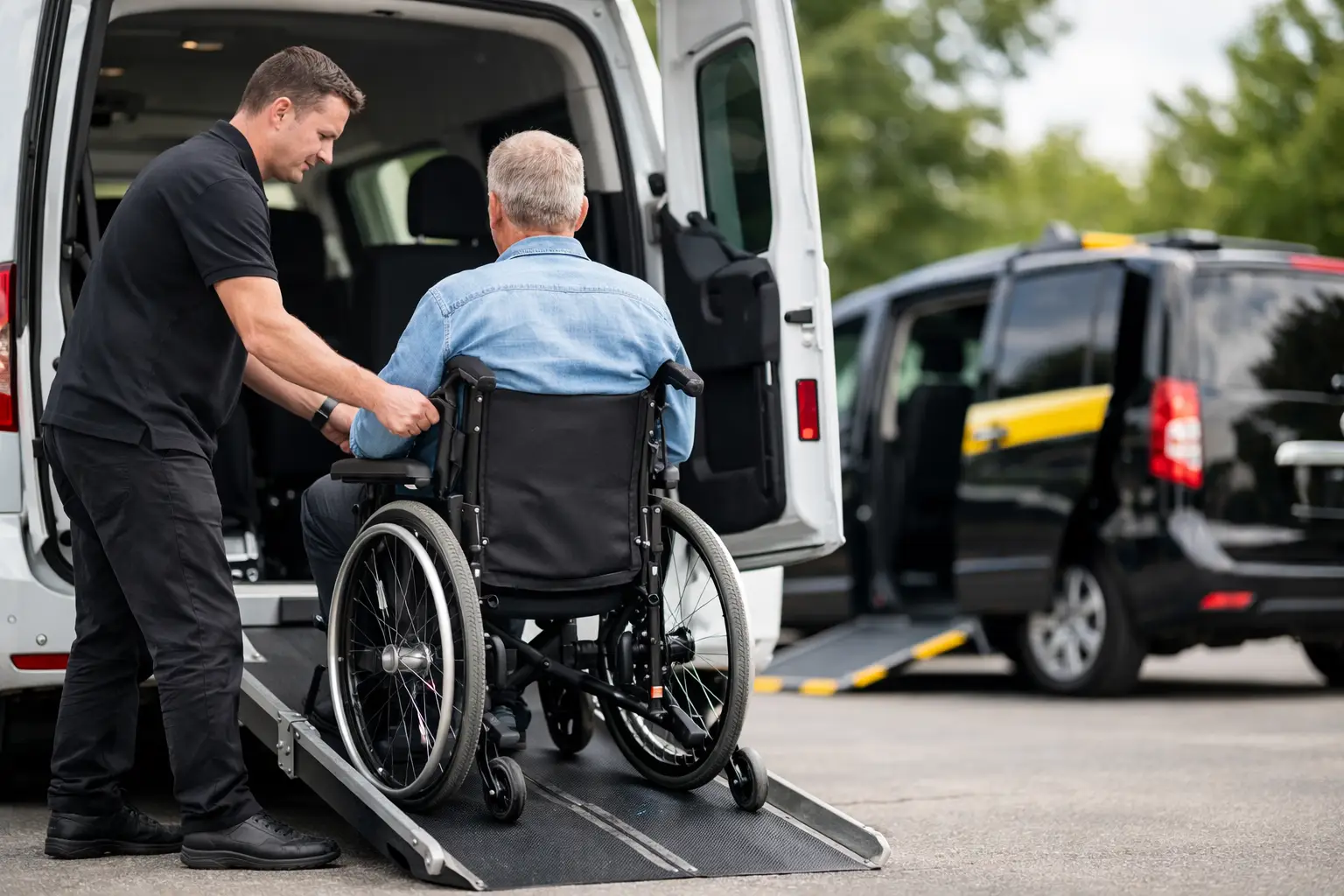
A late pickup can be frustrating for anyone. For a wheelchair user heading to dialysis, a specialist visit, or a family gathering, it can throw off the whole day. That is why choosing between wheelchair accessible transportation companies is not just about finding a ride. It is about finding a service you can trust with comfort, timing, safety, and dignity.
The right company does more than send a vehicle with a ramp. It understands that many riders are managing pain, fatigue, anxiety, or tight appointment windows. Family members are often coordinating care, juggling schedules, and trying to avoid one more stressful call. A good transportation provider makes that process easier, not harder.
What sets wheelchair accessible transportation companies apart
Not every transportation service is built for a rider who remains in a wheelchair during the trip. That difference matters more than many people realize. A standard car service may be able to get someone from one place to another, but it often cannot do so without awkward transfers, limited assistance, or unnecessary discomfort.
Wheelchair accessible transportation companies are designed around the rider’s actual needs. That usually means vehicles with ramps or lifts, secure wheelchair tie-down systems, enough cabin space for comfort, and drivers who know how to assist safely. Just as important, it means a service model built around direct pickup and drop-off instead of asking the passenger to adapt to a vehicle that was never meant for them.
This is especially valuable for recurring trips. If someone is traveling to treatment several times a week, even a small inconvenience becomes a major burden over time. The best providers understand that accessibility is not a feature. It is the foundation of the service.
What to look for in wheelchair accessible transportation companies
The first thing most people ask about is the vehicle, and that makes sense. If the van is not properly equipped, nothing else matters. But once the basics are covered, the real difference often comes down to how the company handles the entire experience.
Punctuality should be near the top of the list. Medical appointments do not wait, and missing a treatment window can have serious consequences. A dependable company plans for timing, confirms details clearly, and treats pickup times as commitments rather than rough estimates.
Driver assistance is another major factor. Some riders need minimal help. Others need steady hands, patience, and someone who understands how to secure a wheelchair properly and communicate clearly throughout the trip. Families are often looking not only for transportation but also for peace of mind. They want to know their loved one will be treated with respect from the doorstep to the destination.
Booking support matters more than people expect. When a company is hard to reach, vague about pricing, or unclear about ride logistics, stress builds fast. On the other hand, responsive staff who answer questions directly can make a difficult day feel manageable. That includes explaining pickup windows, return ride options, and whether there are any limitations based on distance or schedule.
Cleanliness and ride comfort also deserve attention. For a short outing, a bumpy or cramped ride may be annoying. For a rider recovering from treatment or dealing with chronic pain, it can be exhausting. A smooth, comfortable trip is not a luxury in this context. It is part of proper care.
Medical rides need a different level of reliability
Many people searching for wheelchair accessible transportation companies are not planning occasional leisure trips. They are arranging transportation for medical care. That changes the standard completely.
A ride to a doctor visit, rehabilitation session, or dialysis center is often time-sensitive and emotionally loaded. The passenger may already be tired before leaving home. A caregiver may be coordinating medications, paperwork, and follow-up care on top of transportation. In those situations, reliability is not just convenient. It helps protect the rider’s routine, energy, and sense of control.
Providers that regularly handle medical transportation usually have a better understanding of these realities. They know that direct door-to-door service saves time and reduces strain. They know that a passenger may need a little extra time getting settled. They know that clear communication matters when appointments run long or return pickup details change.
That does not mean every rider needs the same type of provider. Some trips are simple and scheduled well in advance. Others come together at short notice. Some passengers travel independently, while others have a family member accompanying them. The best fit depends on how often the rides happen, how much support the rider needs, and how important scheduling flexibility is.
Questions worth asking before booking
A short phone call can tell you a great deal about a company. You do not need a long checklist, but a few practical questions can save a lot of frustration later.
Ask whether the passenger can remain in their wheelchair for the full ride. Confirm what kind of accessibility equipment the vehicle uses and whether the driver provides boarding assistance. If the trip is for a medical appointment, ask how the company handles timing and return rides. If the ride may change on short notice, ask how flexible the booking process is.
Pricing should also be clear from the start. Some companies charge based on distance, while others may use service zones or trip minimums. There is nothing wrong with different pricing models, but vague answers are a warning sign. Families need to budget, and riders deserve straightforward information.
It is also worth paying attention to tone. A company can say the right things, but if the conversation feels rushed or dismissive, that matters. Transportation for wheelchair users is personal. The service should feel respectful from the first interaction onward.
Why direct, no-transfer service matters
One of the most overlooked differences between providers is whether the rider must transfer out of their wheelchair. On paper, a transfer may sound manageable. In real life, it can be painful, tiring, risky, or simply not possible without extra help.
For many passengers, staying in their wheelchair throughout the ride makes the experience safer and more comfortable. It reduces physical strain and avoids the awkwardness of moving in and out of a seat that may not support their needs well. It can also make the trip faster, since there is less repositioning and less chance of delays at pickup.
This is where specialized providers often stand out. They are not trying to fit an accessibility need into a standard service model. They are starting with the accessibility need and building the ride around it. That difference shows up in everything from vehicle layout to driver training to how calmly the trip unfolds.
For families and caregivers, trust is the real deciding factor
When you are arranging transportation for someone you care about, you are not just comparing rates or vehicle types. You are asking whether this company will show up, communicate clearly, and treat your loved one with patience. That is a higher bar, and it should be.
Trust often comes from the small details. A driver who introduces themselves and explains what is happening. A booking team that remembers recurring appointments. A company that gives realistic timing instead of overpromising. These things may sound simple, but they are what turn transportation from a recurring headache into dependable support.
In Singapore, where many families balance work, caregiving, and healthcare logistics at the same time, that kind of reliability can make a meaningful difference. A service such as KE Transport is built around that reality, with direct wheelchair-friendly rides, hands-on assistance, and responsive booking support that helps reduce unnecessary stress.
The best transportation company is not always the one with the broadest claims. It is the one that consistently delivers safe, comfortable rides for the trips that matter most.
If you are comparing wheelchair accessible transportation companies, start with the basics, then look beyond them. The ramp, lift, and securement system matter. So do punctuality, kindness, clear communication, and the ability to make a rider feel comfortable from the moment the door opens. A good ride gets someone to their destination. A good service helps them keep living their life with a little more ease.
Leave a Reply