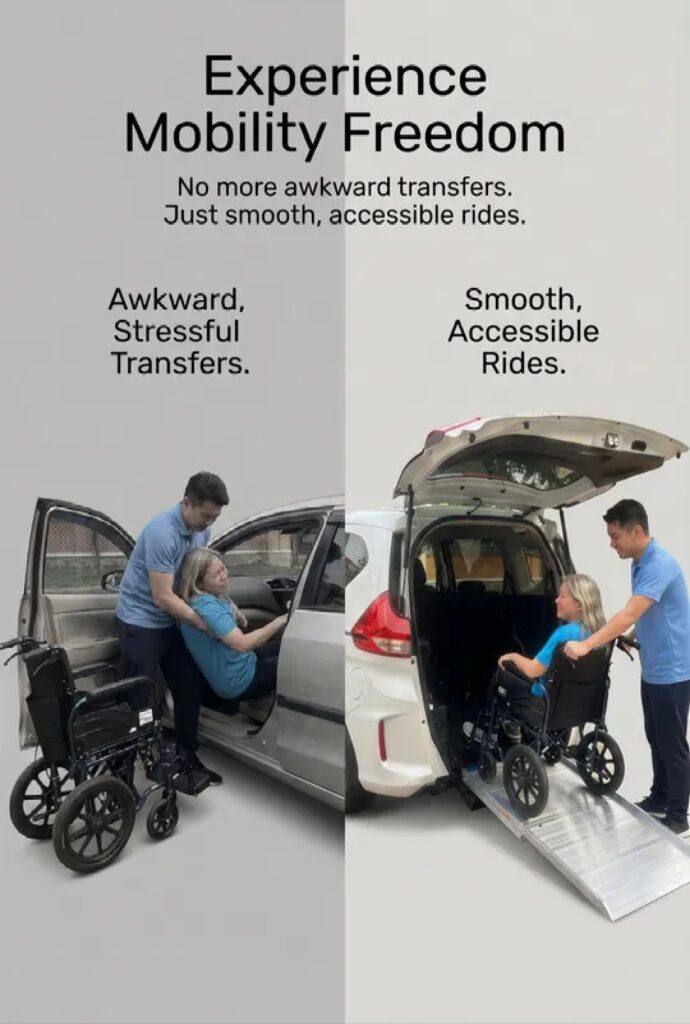
Category: Uncategorized

  • Wheelchair Transportation That Puts You First

    Wheelchair Transportation That Puts You First

    A medical appointment should not begin with worry about how to get there. Yet for many wheelchair users and family caregivers, transportation can be the most stressful part of the day. The right wheelchair transportation changes that experience by making the ride comfortable, direct, and centered on the passenger – not on the limitations of a vehicle or a rushed schedule.

    For someone who uses a wheelchair, a ride is about much more than reaching an address. It is about arriving safely, staying in a familiar and properly secured chair, receiving patient assistance, and knowing the driver understands that timing matters. Whether the trip is for dialysis, a specialist visit, a family gathering, or an afternoon out, dependable transportation helps protect a person’s comfort, dignity, and independence.

    What Wheelchair Transportation Should Feel Like

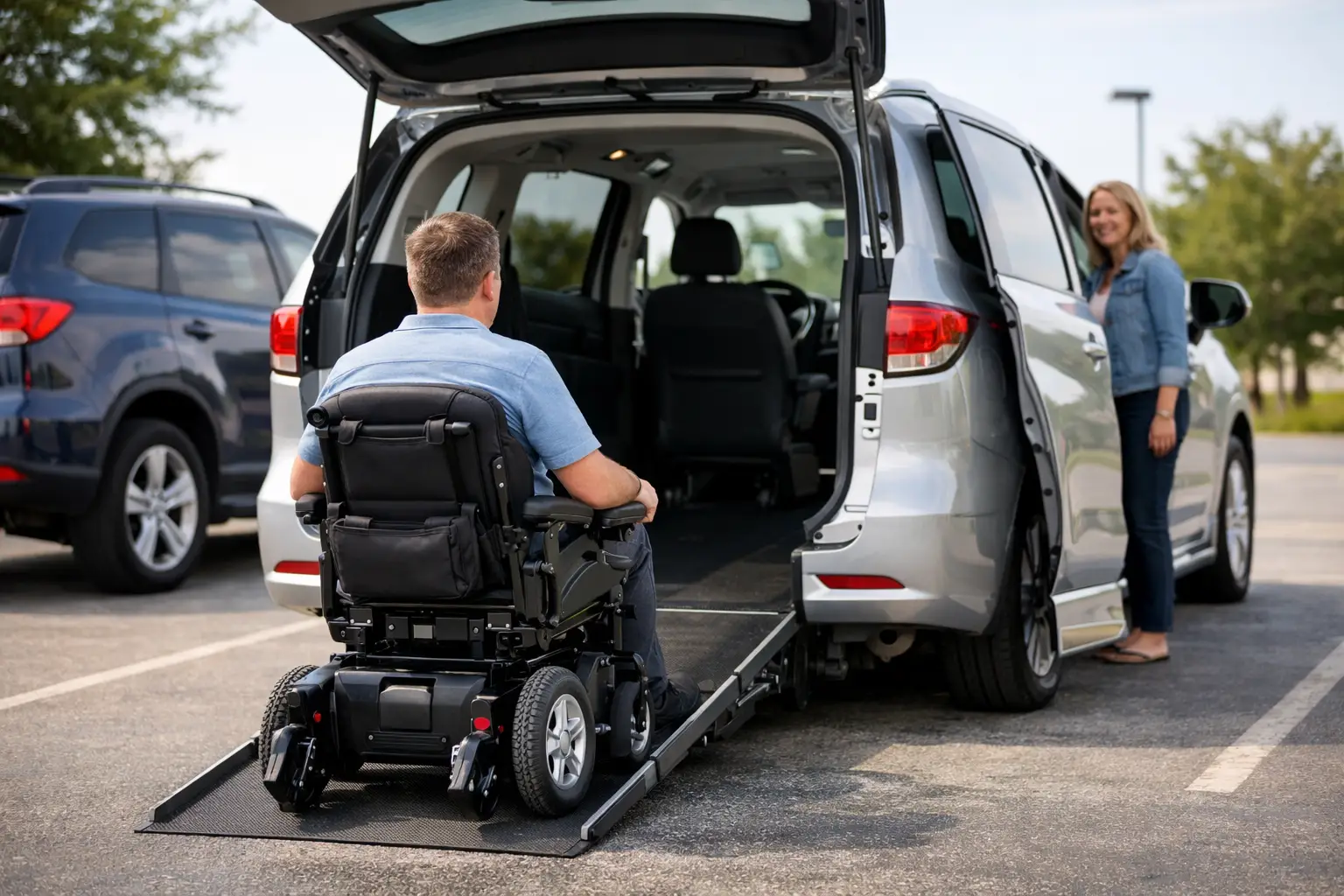
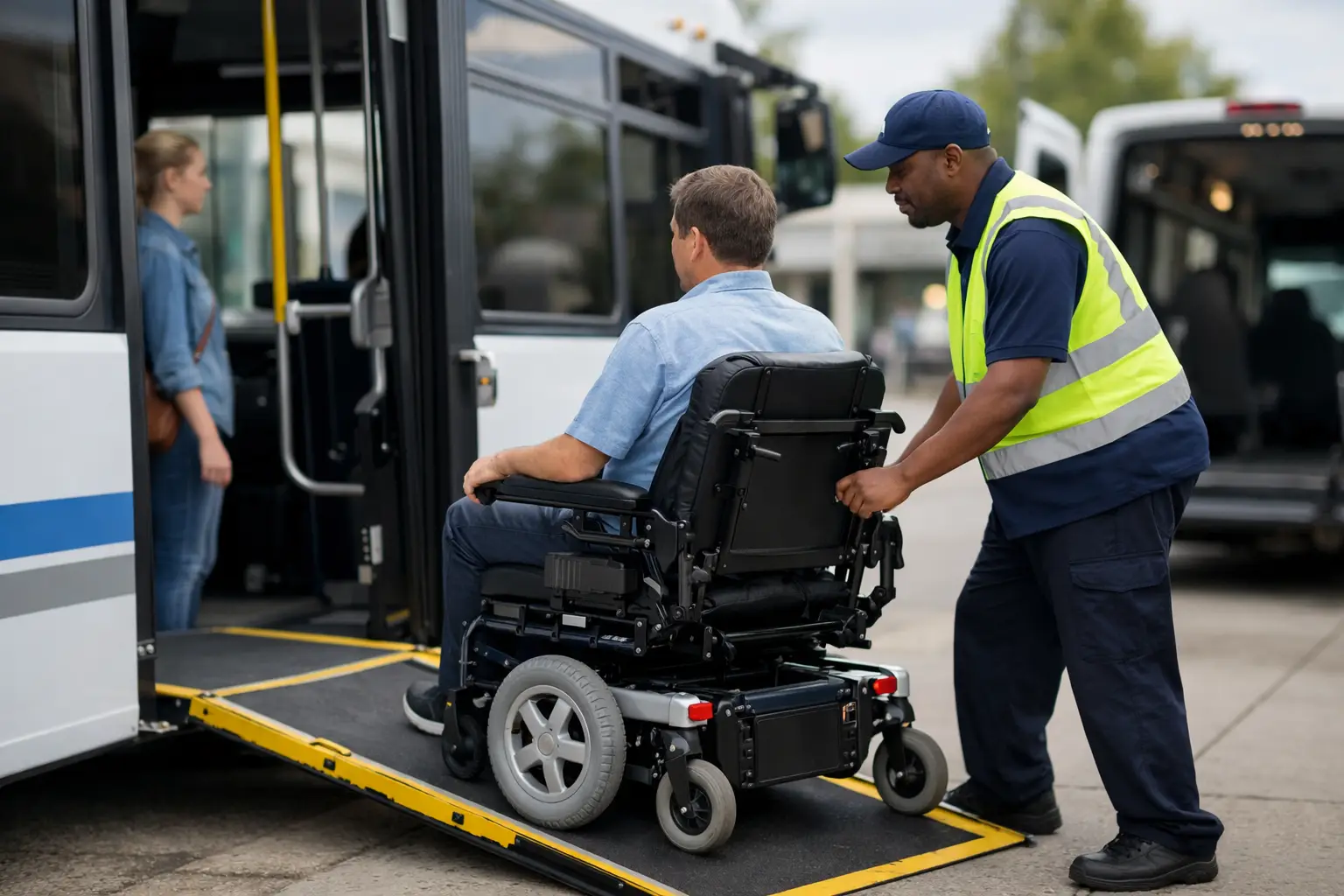
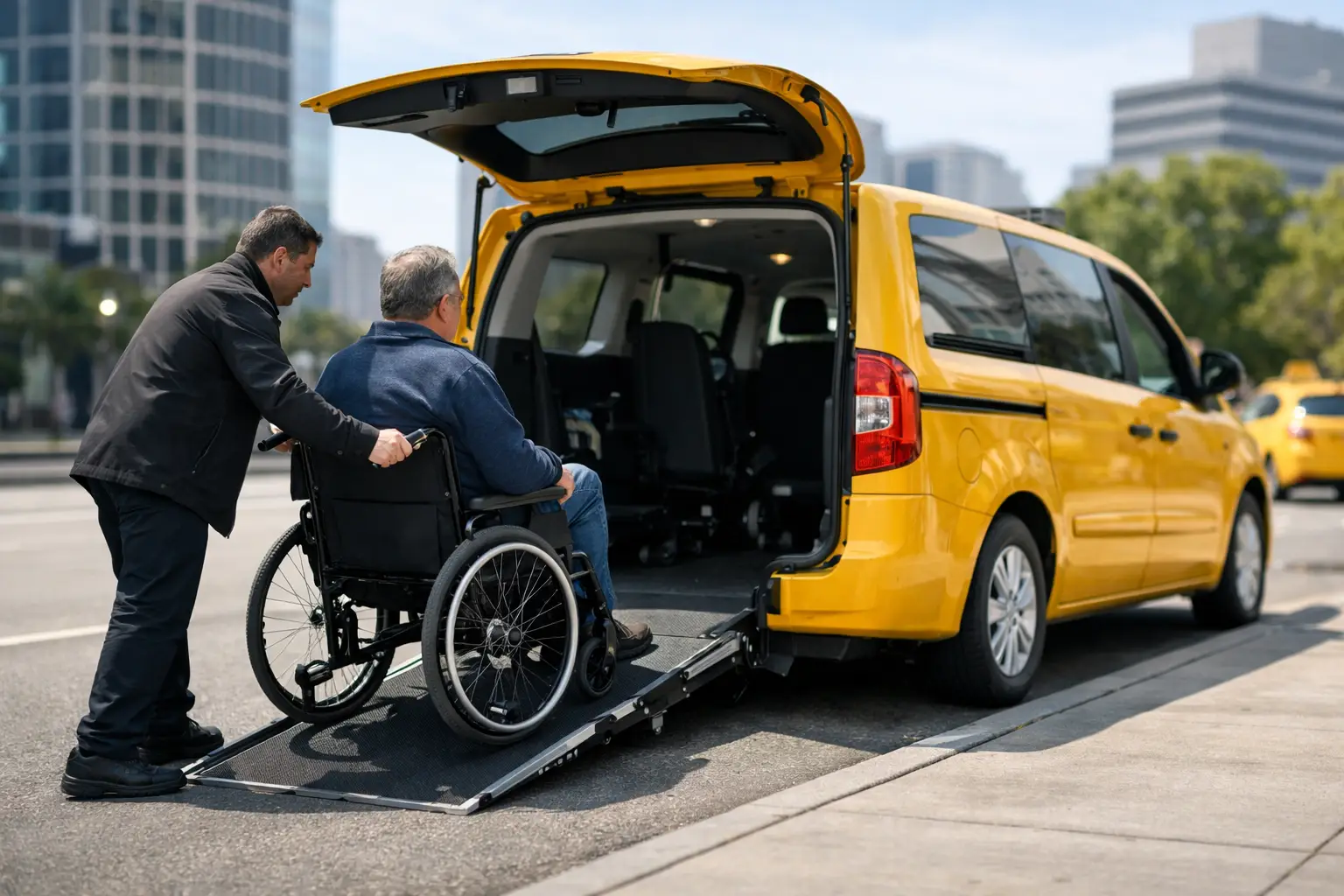
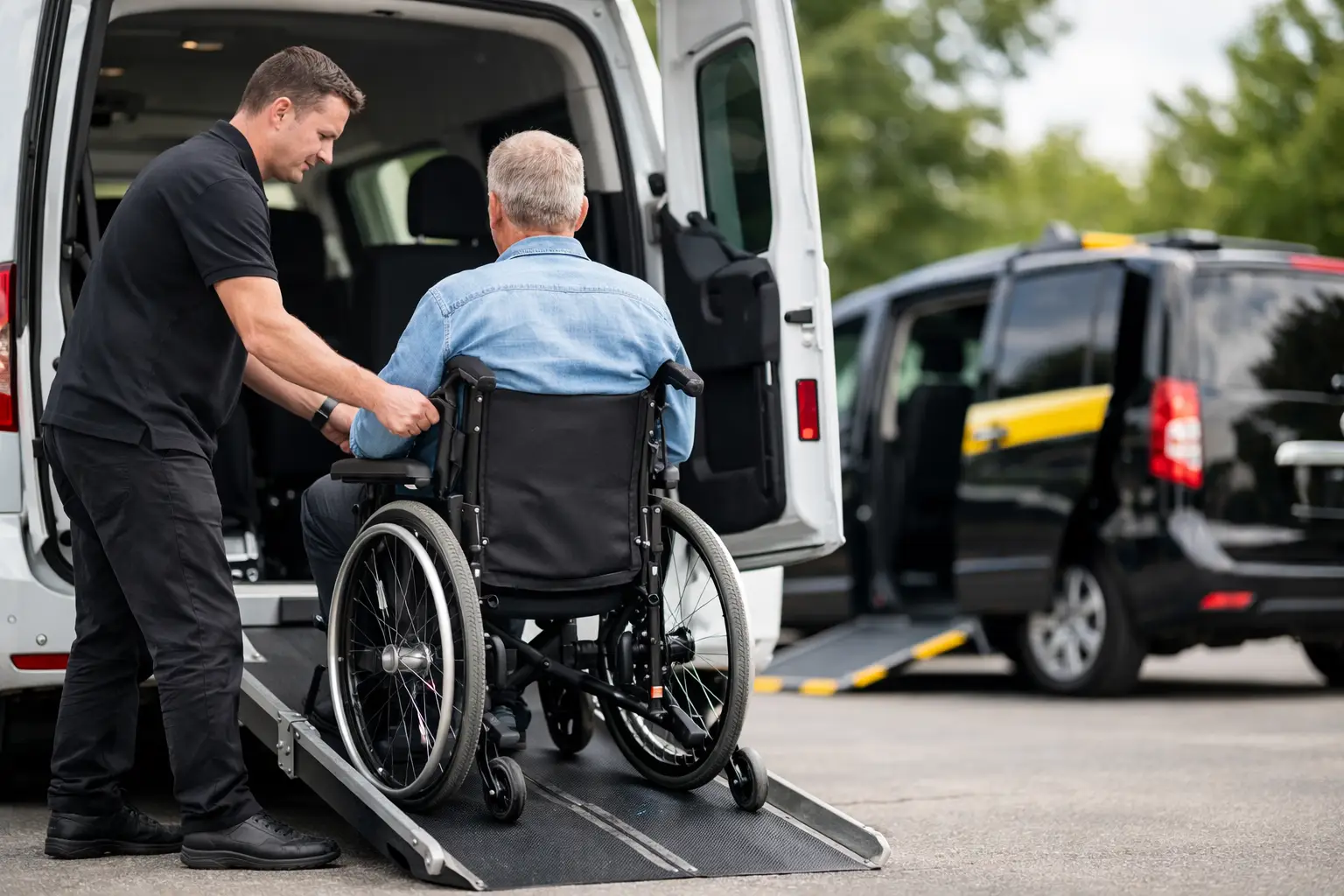
    Accessible transportation should never make a passenger feel like an inconvenience. A well-planned ride begins at the door, with a driver who is prepared to assist thoughtfully and allow enough time for a safe pickup. The passenger should not be expected to leave their wheelchair, squeeze into a standard car, or figure out an unfamiliar loading process alone.

    The vehicle matters, but so does the person providing the service. A wheelchair-accessible vehicle needs appropriate ramps or lifts, securement systems, and enough interior space for the rider to travel comfortably. Just as important, the driver should know how to handle the wheelchair carefully, confirm that it is properly secured, and communicate clearly throughout the trip.

    For family members arranging rides, reassurance often comes from the small details. Was the pickup time confirmed? Does the provider explain what happens when the driver arrives? Will someone help a loved one from the building entrance to the vehicle when needed? Clear answers remove uncertainty before the ride even begins.

    No unnecessary transfers

    One of the greatest benefits of dedicated wheelchair transportation is avoiding an unnecessary transfer from a wheelchair into a car seat. Transfers can be uncomfortable, tiring, or unsafe for some riders. They may also require physical support that a standard ride service is not equipped to provide.

    Remaining in the wheelchair allows the passenger to travel in the position and equipment that already support their needs. This is particularly meaningful for people recovering from surgery, managing chronic conditions, or dealing with limited strength and balance. It also helps make a recurring ride feel more predictable.

    Door-to-door service makes a real difference

    A curbside drop-off is not always enough. A passenger may need help getting from a residence, clinic lobby, or care facility entrance to the vehicle. Door-to-door service recognizes that the trip includes those moments before and after the drive.

    That level of assistance should be respectful, never rushed. Some passengers want a little extra time to get settled. Others need the driver to wait while a caregiver brings a bag, walker, medical paperwork, or personal items. When the service is built around the rider, these needs are treated as part of the job, not as an interruption.

    Why Reliable Rides Matter for Medical Care

    Many wheelchair-accessible trips are connected to health care. Dialysis appointments, outpatient procedures, rehabilitation sessions, physician visits, and follow-up care often happen repeatedly. Missing or arriving late for these appointments can create real stress for patients and caregivers.

    Reliability is especially valuable when a passenger is not feeling their best. After a long treatment, the thought of waiting for an uncertain ride can be exhausting. A scheduled transportation provider offers a clearer plan: a known pickup time, a vehicle suited to the passenger, and a driver who understands the importance of a calm return trip.

    Punctuality does not mean treating every ride like a race. It means planning enough time for safe loading, traffic, building access, and the passenger’s comfort. For medical transportation, the best service balances timeliness with patience.

    It is also worth discussing return-trip arrangements before the appointment. Some visits run longer than expected, while others may end early. Ask how the provider handles changes in timing, how to contact dispatch or the driver, and whether the booking team can help coordinate around the appointment window. Responsive communication can be just as valuable as the ride itself.

    Planning Wheelchair Transportation for Regular Trips

    A first ride is easier when the transportation provider has the right information ahead of time. A brief conversation during booking can help make sure the vehicle, timing, and assistance level fit the passenger’s situation.

    Share the pickup and destination addresses, the requested arrival time, and whether the trip is one-way or round-trip. Let the provider know the type of wheelchair being used, especially if it is a larger power chair or has accessories that affect its size. Mention steps, narrow entryways, building elevators, or any pickup details that may require extra time.

    It also helps to explain whether the passenger is traveling independently or with a caregiver. A companion may be able to assist with belongings and communication, but the transportation team should still be ready to provide appropriate support during boarding, securement, and exit.

    For recurring appointments, ask about scheduling rides in advance. Regular bookings can reduce the number of details that need to be repeated each week and give both the rider and caregiver more confidence in the routine. At KE Transport, this kind of planning is approached as a personal service, because a familiar, dependable ride can make a demanding schedule feel more manageable.

    Questions worth asking before booking

    Not every accessible ride is the same. Before choosing a provider, ask whether passengers remain in their wheelchairs during travel, what assistance is included at pickup and drop-off, and how wheelchairs are secured. You should also ask how far in advance rides should be booked and whether short-notice requests can be accommodated when availability allows.

    Pricing should be explained clearly. Some services charge by distance, while others may use zone-based or time-based rates. Knowing the expected per-trip cost ahead of time helps families plan without surprises. If insurance coverage or reimbursement may apply, ask what information the provider can supply for your records. A professional transportation company should be willing to explain the ride logistics in plain language.

    Transportation Is Also About Staying Connected

    Wheelchair transportation is often discussed only in medical terms, but life is bigger than appointments. Reliable rides can make it possible to visit friends, attend religious services, enjoy a meal with family, go to a community event, or simply spend time somewhere outside the home.

    These outings can have a meaningful effect on well-being. When transportation is difficult, it is easy to postpone plans until they stop happening altogether. A safe, comfortable option gives riders more freedom to say yes to the moments that make a week feel full and connected.

    Caregivers benefit as well. Coordinating accessible transportation can take pressure off a family member who may not have a suitable vehicle, the physical ability to transfer a loved one, or the flexibility to leave work for every appointment. Having a trusted provider does not replace family support. It gives families another dependable source of help.

    A Ride Built Around Respect

    The best transportation experience is often remembered for how the passenger was treated. A friendly greeting, careful handling of the wheelchair, a clean vehicle, and a driver who listens can turn a stressful errand into a smooth, comfortable ride.

    There are times when a passenger may need a different level of service. Emergency symptoms require emergency medical help, not non-emergency transportation. Some riders may also need a caregiver, medical escort, or specialized clinical support beyond what a transportation driver provides. Being clear about those needs protects everyone and helps ensure the right service is arranged.

    For everyday trips that call for accessibility, patience, and reliable support, the goal is simple: help each passenger get where they need to go without giving up comfort or dignity. When the ride feels safe from the first hello to the final drop-off, leaving home can feel possible again.


  • How to Arrange Dialysis Rides Without the Stress

    How to Arrange Dialysis Rides Without the Stress

    Dialysis appointments are not the kind of commitment that can be moved around easily. They happen several times a week, often at fixed times, and a missed or late treatment can create real worry. Knowing how to arrange dialysis rides ahead of time gives patients and families one less urgent problem to solve on treatment days.

    The best transportation plan is not simply about getting from one address to another. It should account for wheelchair access, the rider’s energy level, clinic schedules, waiting times, and the need to return home comfortably after treatment. A dependable routine can make recurring dialysis visits feel more manageable and help the rider maintain independence.

    Start With the Dialysis Schedule

    Before calling a transportation provider, write down the full treatment schedule. Include the clinic address, appointment days, check-in time, expected treatment length, and any regular changes to the schedule. Dialysis commonly leaves patients tired, cold, weak, or lightheaded afterward, so the return ride deserves just as much planning as the trip to the clinic.

    Ask the dialysis center how early the patient needs to arrive. A good rule is to schedule transportation with enough time for a calm arrival, rather than aiming for the exact appointment time. This gives room for traffic, elevator delays, or a longer-than-usual trip from the home to the vehicle.

    Also ask how long pickup after treatment typically takes. Treatment does not always end at the same minute every day. The care team may need extra time to check blood pressure, review symptoms, or help the patient get ready to leave. A transportation provider that can communicate clearly about return pickup procedures is especially helpful for recurring medical trips.

    Choose Transportation That Fits the Rider

    Not every ride service is appropriate for a dialysis passenger. A standard car may work for someone who walks independently and feels well after treatment. For a person who uses a wheelchair, needs help getting in and out of a building, or cannot safely transfer into a car seat, wheelchair-accessible non-emergency transportation is usually the better fit.

    When arranging a ride, be clear about the rider’s mobility needs. Explain whether they use a manual or power wheelchair, whether the chair reclines, and whether there is any additional equipment that must travel with them. A properly equipped vehicle allows the passenger to remain safely in their wheelchair instead of facing an uncomfortable or risky transfer.

    It is also worth asking how the driver assists passengers. Door-to-door service can mean different things depending on the provider. For many dialysis riders, it should mean more than a vehicle waiting at the curb. They may need a friendly, patient driver who can help them from the building entrance to the vehicle and make sure they are settled safely before the trip begins.

    How to Arrange Dialysis Rides for Recurring Visits

    For dialysis, recurring bookings are usually easier and less stressful than scheduling each trip one at a time. Once you know the regular appointment days and times, ask whether the provider can reserve rides for the same schedule each week. This helps create familiarity for the rider and reduces the chance of last-minute scrambling.

    When you book, provide the pickup address, clinic name, appointment time, and whether the ride is one-way or round-trip. Let the provider know if there are access details that could affect pickup, such as a gated community, a long driveway, limited parking, or an apartment building with a particular entrance.

    For the return trip, clarify whether the driver will arrive at a scheduled time or wait for a call from the clinic when treatment is complete. There is no single right answer. A set return time may work when treatment is very predictable, while a call-when-ready arrangement can be more comfortable for patients whose sessions sometimes run longer.

    Make sure the clinic has the transportation company’s contact information, and give the provider a reliable number for the patient or caregiver. Good communication protects everyone from confusion when a session ends early, runs late, or the patient is not feeling well enough to leave immediately.

    Ask the Questions That Prevent Last-Minute Problems

    A transportation provider should be comfortable answering practical questions. You are arranging an essential medical ride, not making a casual travel plan. Clear answers help families choose a service they can trust.

    Ask about these details before confirming a recurring schedule:

    • Whether the vehicle can safely accommodate the rider’s specific wheelchair and any mobility equipment.
    • How far in advance recurring rides should be booked and how schedule changes are handled.
    • What happens if the dialysis session runs late or the patient needs extra time before leaving.
    • Whether the service provides direct transportation or may include multiple passenger stops.
    • How pricing is calculated, including whether distance, waiting time, or return trips affect the fare.
    • What payment options, insurance documentation, or reimbursement information may be available.

    Direct transportation is often worth discussing. After dialysis, a long route with several drop-offs can be exhausting. A direct ride home gives the passenger a quieter, more comfortable chance to rest after treatment.

    Plan for the Ride Home, Not Just the Ride There

    The ride home is where a thoughtful transportation plan matters most. Some patients feel perfectly fine after treatment. Others may feel drained or unsteady, especially if fluid removal was significant or blood pressure has changed. The driver should understand that a medical passenger may need a smooth, unhurried trip and a little extra patience at the end of the day.

    At home, think through the last few steps of the journey. Is there a ramp? Are there stairs? Does the rider need someone waiting inside? If a family member or caregiver cannot be present, let the transportation provider know what level of assistance is appropriate and what the drop-off routine should be.

    Patients should also keep essentials within reach for every ride: a phone, identification, clinic paperwork, water if permitted by their care team, and a light layer in case they feel cold. The goal is not to overpack. It is to avoid searching for necessities when the rider is tired.

    Build in a Backup Plan

    Even the best routine can be interrupted by illness, severe weather, clinic changes, or a vehicle issue. Keep a backup contact available, whether that is a family member, caregiver, or another approved transportation option. The dialysis center should also know who to contact if the patient has not arrived as expected.

    If an appointment time changes, contact the transportation provider as soon as possible. Early notice gives the dispatcher more options and makes it easier to protect the rider’s regular schedule. For same-day changes, call rather than relying only on a message. A quick conversation can confirm that everyone understands the new plan.

    Families arranging rides for a loved one may find it helpful to keep one simple transportation note on the refrigerator or in the patient’s phone. Include the regular pickup time, clinic number, transportation number, and the name of a backup contact. Small preparation can bring a great deal of peace of mind on a busy morning.

    Look for Reliability and Respect

    For a dialysis patient, transportation is part of the care routine. The right provider should treat each trip with the same seriousness the patient brings to treatment. Punctuality matters, but so do respectful communication, careful wheelchair handling, and a calm presence when the rider is not feeling their best.

    At KE Transport, the focus is on accessible, direct rides that help wheelchair users travel without awkward transfers out of their chairs. For recurring dialysis visits, that kind of hands-on support can turn a difficult logistical task into a familiar, comfortable routine.

    A well-arranged dialysis ride does more than get someone to an appointment on time. It gives the rider a dependable way to keep showing up for essential care, with comfort, dignity, and a reassuring plan for getting safely back home.

  • Does Insurance Cover Wheelchair Transport?

    Does Insurance Cover Wheelchair Transport?

    A missed medical appointment is rarely just a scheduling problem. For a wheelchair user, it can mean choosing between an unsafe transfer, a stressful trip in an unsuitable vehicle, or postponing care altogether. So, does insurance cover wheelchair transport? Sometimes, but coverage depends on the type of insurance, the reason for the ride, the provider, and whether the trip is approved in advance.

    The most helpful starting point is this: insurance is more likely to cover transportation when it is medically necessary and arranged through an approved process. A ride to a routine social visit may be valuable for independence, but it is less likely to qualify than transportation to dialysis, rehabilitation, a specialist appointment, or a hospital discharge.

    When Does Insurance Cover Wheelchair Transport?

    Insurance plans usually separate emergency ambulance transportation from non-emergency medical transportation, often called NEMT. Wheelchair-accessible transport typically falls into the non-emergency category when the passenger is stable but cannot safely use a standard car, taxi, or public transit option.

    Coverage may be available when a doctor or care team confirms that the rider needs a wheelchair-accessible vehicle, cannot transfer safely into a regular passenger vehicle, or requires assistance getting to and from essential medical care. The exact standard varies by plan. Some insurers require a written statement of medical necessity, while others approve recurring trips for ongoing treatment such as dialysis.

    A wheelchair alone does not automatically guarantee coverage. An insurer may ask why a regular car ride, a family member, or another transportation option is not appropriate. That can feel frustrating, especially when families know firsthand how difficult an unsafe transfer can be. Still, clear documentation often makes the approval process easier.

    Medicare coverage

    Original Medicare may cover medically necessary ambulance transportation in limited circumstances. Non-emergency ambulance rides generally need to be medically necessary and may require a written order from a physician. Medicare does not automatically pay for every wheelchair-accessible ride simply because a passenger uses a wheelchair.

    Medicare Advantage plans may offer additional transportation benefits, including a set number of rides to approved health appointments. Benefits differ widely by plan, location, network, and the type of appointment. Before booking, ask the plan whether wheelchair-accessible transportation is included and whether the transportation company must be contracted with the plan.

    Medicaid coverage

    Medicaid is often one of the more common sources of non-emergency medical transportation coverage for eligible members. Many state Medicaid programs provide rides to covered medical services when the member has no other safe way to travel. The trip may need to be scheduled through a transportation broker or an authorized provider rather than directly with any company the family chooses.

    Rules can include advance notice, usually at least a few business days, trip limits, proof of the appointment, and authorization for the appropriate vehicle level. For recurring appointments, ask whether multiple trips can be approved at once. This can reduce repeated calls and help make treatment schedules more dependable.

    Private insurance and employer plans

    Private health plans may include transportation benefits, but the details are often buried in the member handbook or managed through a separate assistance line. Some plans cover transportation only after hospitalization, only for specific diagnoses, or only when the trip is connected to in-network care.

    Other plans offer a transportation allowance but limit the number of one-way rides each year. A plan may cover a standard ride but not a wheelchair-accessible van, which is why it is essential to explain the passenger’s mobility needs when calling. Ask directly whether the plan covers wheelchair transport, not merely whether it covers transportation.

    What Insurance Usually Will Not Cover

    Many plans do not cover transportation for personal errands, family gatherings, religious services, shopping, or social outings. Those trips still matter. Staying connected to friends, family, and community is part of a full life, not a luxury. But they are typically paid for privately unless a specific plan offers a broader transportation benefit.

    Insurance may also deny a claim if the ride was not authorized, the provider was outside the plan’s network, the appointment was not for a covered service, or the documentation did not show medical necessity. A denial does not always mean the need was unreasonable. It may mean the plan’s process was not followed or the information was incomplete.

    This is why it helps to separate two questions: Is the ride needed? And will this particular insurance plan pay for it? The answer to the first may be clearly yes, even when the answer to the second is uncertain.

    Questions to Ask Before You Book

    A quick call to the insurer can prevent an unexpected bill. Have the member ID number, appointment date, pickup and drop-off locations, and the passenger’s mobility needs ready. If the rider remains in their wheelchair during travel, say so clearly.

    Ask these questions in plain language:

    • Is wheelchair-accessible non-emergency transportation covered under this plan?
    • Does the trip need prior authorization or a doctor’s certification?
    • Must I use a specific transportation provider or booking line?
    • Are there limits on mileage, trip frequency, appointment type, or advance notice?
    • What will the member pay out of pocket, if anything?
    • Can recurring medical trips be approved together?

    Write down the representative’s name, the date of the call, and any reference number provided. If the insurer confirms coverage, ask for the approval number before the ride takes place. These small details can be especially valuable if a claim is delayed or questioned later.

    Paperwork That Can Make Approval Easier

    The strongest paperwork explains the transportation need in practical terms. A provider’s note may state that the passenger uses a wheelchair, cannot safely transfer into a standard vehicle, and needs wheelchair-accessible transportation for medical care. It can also identify any additional needs, such as assistance from door to door or a caregiver traveling with the patient.

    For scheduled treatments, keep appointment confirmations and a record of completed rides. If the passenger has a changing condition, an updated note can help. Do not assume an old authorization will remain valid forever, particularly after a hospital stay, insurance renewal, or change in treatment location.

    Families should also confirm whether the transportation company bills insurance directly or whether they must pay first and submit a claim for reimbursement. Direct billing can be convenient, but it is still wise to verify coverage yourself. If reimbursement is required, request a detailed receipt showing the date, route, service type, and amount paid.

    Choosing the Right Ride Matters Even When Coverage Is Unclear

    The least expensive option is not always the safest option. A passenger who cannot transfer comfortably should not be pressured to leave their wheelchair just to fit into a standard vehicle. The right service uses properly secured wheelchair positions and trained staff who understand that time, patience, and respectful assistance matter.

    For many families, the best approach is to confirm insurance benefits early, then arrange a dependable wheelchair-accessible ride for the appointments that cannot be missed. KE Transport focuses on direct, comfortable trips that let passengers remain in their wheelchairs, with attentive support from pickup through arrival.

    If a ride is not covered, ask about straightforward per-trip pricing before the appointment day. Knowing the cost upfront allows families to make a calm decision instead of scrambling when care is already time-sensitive.

    A reliable ride can protect more than an appointment time. It can preserve comfort, dignity, and the confidence to keep moving toward the care and connections that matter most.

  • Non Emergency Medical Transportation Guide

    Non Emergency Medical Transportation Guide

    A medical appointment should not begin with the worry of getting into a car, finding a wheelchair-friendly route, or wondering whether the driver will arrive on time. This non emergency medical transportation guide is for wheelchair users, older adults, patients with ongoing treatment needs, and the family members who arrange rides on their behalf.

    The right ride is about more than reaching a destination. It is about arriving safely, comfortably, and with your dignity intact. For many passengers, especially those who use a wheelchair full-time, transportation can be the difference between keeping an appointment and missing necessary care.

    What non-emergency medical transportation means

    Non-emergency medical transportation, often called NEMT, is transportation for people who need assistance getting to and from healthcare services but do not need emergency treatment during the journey. It may be used for specialist consultations, rehabilitation, dialysis, outpatient procedures, hospital discharge, routine checkups, and follow-up visits.

    It is not an ambulance service. If someone has chest pain, severe breathing difficulty, sudden confusion, uncontrolled bleeding, or another urgent medical concern, call emergency services rather than arranging a transport ride.

    For planned trips, an accessible transport provider offers a practical middle ground between relying on a standard taxi and using an emergency ambulance. The vehicle, driver support, and booking process should be designed around the passenger’s mobility needs.

    When a wheelchair-accessible ride is the better choice

    A standard car can work for some people, but it is not always the safest or most comfortable option. A passenger may need a wheelchair-accessible vehicle when transferring from their chair into a car seat is difficult, painful, unsafe, or simply not possible. Keeping someone in their own wheelchair can reduce strain, protect their positioning, and avoid an awkward transfer before and after an appointment.

    This matters particularly after surgery, during periods of reduced strength, or when a person uses a power wheelchair. It also matters for caregivers. Lifting or supporting a loved one into a private vehicle can create a real risk of falls and injuries for both people.

    A purpose-built accessible vehicle should allow the wheelchair to enter safely and remain properly secured for the trip. The ride should feel calm and direct, not like a test of endurance before the appointment has even started.

    Choosing a provider you can trust

    The transportation provider becomes part of the care routine. That is why price alone should not make the decision. A lower-cost ride that arrives late, does not accommodate the wheelchair properly, or leaves the passenger without assistance can cost far more in stress and missed care.

    Start by asking whether the provider routinely transports passengers who remain in their wheelchairs. Confirm that the vehicle can accommodate the wheelchair’s size and weight, especially if it is a power chair or has specialized seating. It is also reasonable to ask how wheelchairs are secured and whether drivers are trained to assist passengers respectfully.

    Punctuality deserves special attention for medical trips. Dialysis sessions, hospital admissions, and specialist appointments often operate on tight schedules. A reliable company will communicate clearly about pickup times, expected travel time, and what happens if an appointment runs longer than expected.

    Good service is personal as well as practical. The driver should be patient, professional, and attentive without making the passenger feel rushed or dependent. For many riders, seeing a familiar friendly face for recurring trips brings genuine reassurance.

    Questions worth asking before the first booking

    Before booking, have a short conversation with the provider. Ask whether they provide door-to-door assistance, whether the driver can help the passenger safely from the pickup point to the vehicle, and whether there are any limitations on wheelchairs, companions, or mobility equipment.

    Also ask how return trips are handled. A hospital appointment may finish early, run late, or require a longer wait at the pharmacy. Knowing who to contact and how changes are managed prevents a stressful scramble at the end of the visit.

    In Singapore, it is helpful to clarify the full trip price before confirming. Some providers charge based on distance, while waiting time, late-night travel, additional stops, or special arrangements may affect the final cost. Clear pricing helps families plan with confidence.

    How to book a smoother medical trip

    The best bookings include enough detail for the provider to prepare properly. You do not need to share private medical information that is unrelated to the ride, but mobility and logistical details are essential.

    When arranging transport, provide the pickup and destination addresses, appointment time, preferred arrival time, and expected return time if known. Explain the type of wheelchair being used and whether the passenger can move independently or needs hands-on assistance. Mention companions, walkers, oxygen equipment, bags, or any other items that will travel with the passenger.

    For a first trip, booking ahead is usually the safest choice. It gives the provider time to assign the appropriate vehicle and confirm the route. Short-notice rides may sometimes be possible, but availability can be limited, particularly during busy appointment hours. Recurring treatment, such as dialysis or physical therapy, is easier to manage when rides are scheduled as a regular series rather than requested one at a time.

    A simple ready-to-go check can make departure less stressful:

    • Keep identification, appointment papers, and payment items in an easy-to-reach bag.
    • Bring medications, water, and any comfort items needed for the time away from home.
    • Make sure the phone is charged and the driver has the best contact number.
    • Allow a little extra time for building access, elevators, and handover at the destination.

    Planning for the return ride

    The ride home deserves the same attention as the trip there. After a procedure or a long treatment session, a passenger may feel tired, uncomfortable, or less steady than usual. Reliable return transportation means there is no need to wait outside, search for an accessible vehicle, or ask a family member to leave work at the last minute.

    If the appointment end time is uncertain, tell the transport provider at the time of booking. Some trips can be arranged with a planned pickup window, while others may require the clinic or caregiver to call when the patient is ready. The best approach depends on the facility, the treatment, and how predictable the schedule is.

    For recurring dialysis visits, consistency can be especially valuable. The same pickup routine, clear communication, and a driver who understands the passenger’s needs can make an exhausting treatment day feel more manageable.

    Help caregivers stay informed without taking over

    Caregivers often carry the pressure of coordinating every detail, from appointment reminders to transport timing. A responsive provider can ease that burden by confirming bookings clearly and communicating promptly if there is a delay or schedule change.

    At the same time, transportation should support the rider’s independence. Whenever possible, speak directly with the passenger about their preferences. They may have a preferred pickup routine, a particular way they want their wheelchair positioned, or a comfort need that family members do not know about. Respecting those choices is part of respectful care.

    KE Transport is built around this kind of practical support: direct wheelchair-accessible rides, careful assistance, and clear communication for passengers and families arranging essential travel.

    A non emergency medical transportation guide for everyday life

    Medical appointments are a major reason to use accessible transportation, but they are not the only reason. A dependable wheelchair-accessible ride can also make it easier to attend family gatherings, visit friends, go to community activities, or simply get out for a change of scenery. These trips matter because independence is not limited to healthcare.

    The right transportation plan does not need to feel complicated. It needs to fit the passenger’s actual routine, respect their wheelchair and personal space, and provide a reliable way to get where they need to go. When the ride is safe, comfortable, and dependable, the day can be about the appointment, the visit, or the people waiting at the destination – not the obstacle of getting there.

  • Wheelchair Accessible Mobility Vehicles Explained

    Wheelchair Accessible Mobility Vehicles Explained

    A medical appointment should not begin with the worry of getting into a car. For many riders, wheelchair accessible mobility vehicles make it possible to travel while remaining safely seated in their own wheelchair, with the comfort, space, and personal assistance a regular vehicle may not provide.

    This matters for more than convenience. A ride that is designed around mobility needs can protect a passenger’s dignity, reduce physical strain, and give family members confidence that their loved one will arrive safely and on time. Whether the trip is for dialysis, a specialist visit, a family gathering, or a simple outing, accessible transportation can make everyday plans feel possible again.
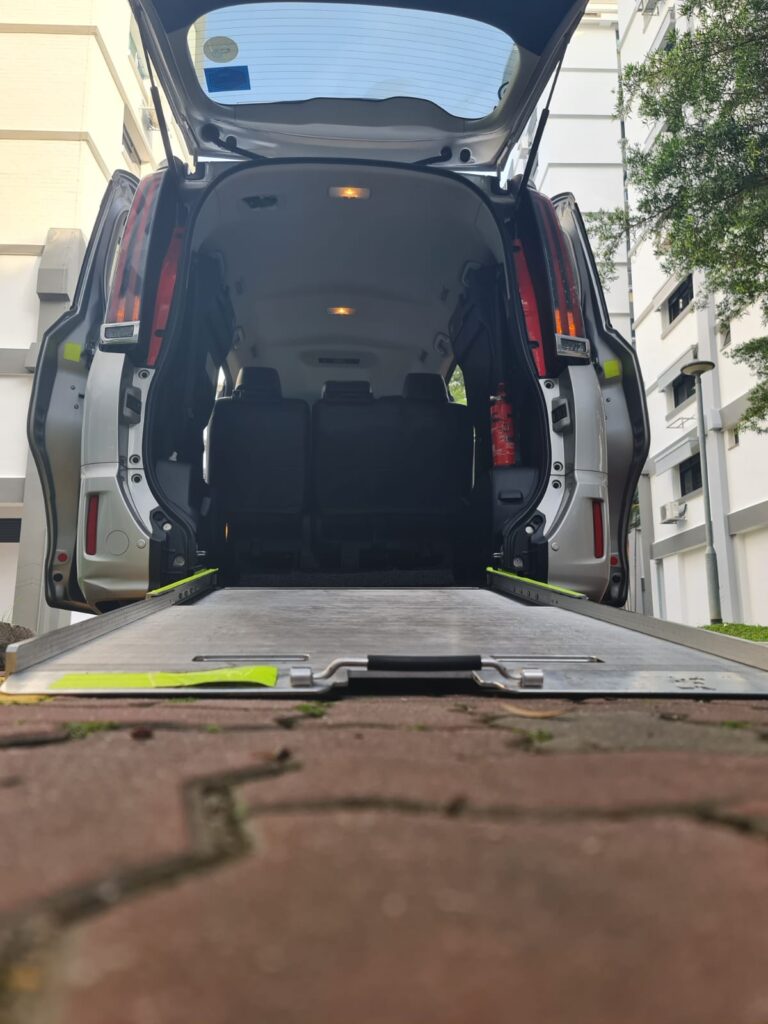
    What Makes a Vehicle Truly Wheelchair Accessible?

    A wheelchair-accessible vehicle is not simply a larger van. It is designed or adapted so a passenger can enter, travel, and exit without an unsafe or uncomfortable transfer from their wheelchair to a standard seat.

    Most vehicles use a ramp or hydraulic lift to bring the wheelchair into the vehicle. Inside, the wheelchair is positioned in a designated area and secured with a proper tie-down system. A passenger restraint is then used to help keep the rider secure throughout the journey. This setup allows the wheelchair to remain stable while the vehicle is moving, braking, or turning.

    Space also makes a real difference. A vehicle should allow enough room for the wheelchair to be positioned correctly without forcing the rider into an awkward angle. It should accommodate the rider, their mobility equipment, and, when needed, a caregiver or family member traveling alongside them.

    Accessibility is not only about the equipment. It is also about the people operating it. A well-equipped van is only as helpful as the driver assisting the passenger. Careful ramp or lift operation, respectful communication, and attention during securement are all part of a safe ride.

    Why Wheelchair Accessible Mobility Vehicles Matter

    For someone with limited mobility, an ordinary ride can involve difficult transfers, narrow doorways, insufficient space, or uncertainty about whether a driver knows how to handle a wheelchair. These challenges can turn a short trip into an exhausting experience before the appointment has even begun.

    Wheelchair accessible mobility vehicles remove many of those barriers. The passenger can remain in the wheelchair that is already fitted to their body and support needs. This may be especially valuable for riders who experience pain, weakness, balance concerns, fatigue, or a higher risk of injury during transfers.

    The benefit is often just as meaningful for caregivers. Coordinating transportation for a parent, spouse, or family member can be stressful when timing is tight and medical care is involved. A dependable door-to-door service reduces the number of moving parts. Instead of arranging multiple rides or trying to manage a transfer at the curb, the family has a clear plan from pickup through arrival.

    For recurring appointments, reliability becomes part of a person’s care routine. Dialysis visits, rehabilitation sessions, follow-up appointments, and outpatient treatment may happen several times each month. Consistent transportation helps riders keep those commitments without asking friends or relatives to rearrange their schedules every time.

    The Difference Between Accessible Transport and a Regular Ride

    A regular ride may work for a passenger who can transfer independently and whose folding wheelchair can fit in the trunk. But it is not the right choice for everyone. If a rider uses a powered wheelchair, has a larger manual wheelchair, needs to stay seated during travel, or requires hands-on mobility assistance, a purpose-equipped vehicle is usually the safer option.

    There is also a difference in the service experience. A standard driver may be focused on getting from one address to another. An accessibility-focused driver understands that boarding takes time and should never be rushed. They know that safe positioning and securement come before departure, and that a passenger may need help at both ends of the journey.

    That does not mean every trip requires the same level of support. Some riders travel independently but need a ramp-equipped vehicle. Others may need a friendly face to assist from the door to the vehicle, help with bags, and wait until they are safely situated. The right service should consider the individual rather than making every rider fit the same process.

    What to Look for When Booking Accessible Transportation

    The right transportation provider should make it easier to plan a trip, not harder. When calling to book, it helps to share the basics: the type of wheelchair used, whether it is manual or powered, the passenger’s approximate needs for assistance, the pickup and destination, and any appointment time that cannot be missed.

    A responsive provider will ask practical questions rather than make assumptions. They may confirm the wheelchair size, whether a caregiver will travel, if there are stairs or access restrictions at either location, and how much time is needed for a comfortable pickup. These details help prevent surprises on the day of travel.

    It is also reasonable to ask how the wheelchair is secured, whether drivers are experienced with passengers who remain in their chairs, and what happens if an appointment runs longer than expected. Clear answers show that the service takes passenger safety seriously.

    Price matters, especially for frequent trips, but the lowest quote is not always the best value. A ride that arrives late, cannot accommodate the wheelchair properly, or leaves a passenger waiting after an appointment can create far greater stress than a transparent per-trip rate. Look for clear communication about distance-based pricing, waiting time, payment, and any insurance-related questions before the ride is scheduled.

    Planning for Medical Appointments and Recurring Care

    Medical transportation has its own rhythm. Many appointments involve check-in times, delays, fatigue after treatment, or instructions not to travel alone. Planning ahead gives everyone more breathing room.

    For a first visit, schedule pickup with enough time for safe boarding and traffic conditions. It is better to arrive calmly than to rush through securement because the appointment is approaching. If the passenger has mobility equipment, medications, a coat, or a small bag, keep these items accessible and let the driver know if assistance will be needed.

    For dialysis or other repeat appointments, keeping a regular booking schedule can be helpful. The transportation team becomes familiar with the rider’s pickup location, chair setup, preferred assistance, and appointment routine. That familiarity can make each ride feel less stressful, especially on days when the passenger is tired.

    In Singapore, where specialist clinics and hospitals can involve busy arrival areas, door-to-door coordination is particularly useful. A provider who communicates clearly about pickup points and return timing helps riders avoid unnecessary waiting or confusion.

    Comfort and Dignity Are Part of Safety

    Safety equipment is essential, but a safe trip should also feel respectful. Passengers should not be spoken over, rushed, or treated as a piece of equipment to be loaded. The rider should be included in conversations about how they prefer to be assisted and how their wheelchair should be handled.

    Small details can shape the whole experience: a driver who arrives when promised, takes time to secure the chair correctly, checks that the passenger is comfortable, and offers calm reassurance when traffic or an appointment delay changes the plan. These actions build trust over time.

    At KE Transport, the goal is to provide smooth, comfortable rides that allow passengers to travel directly between the places that matter to them. Medical care may be the reason for a trip, but transportation also supports visits with friends, family occasions, errands, and a continued connection to the community.

    A wheelchair should never shrink someone’s world. With a vehicle, driver, and booking process built around accessibility, getting out can feel less like a logistical challenge and more like what it should be: a safe way to get where you need to go.

  • Wheelchair vs. Transport Wheelchair: What’s Different?

    Wheelchair vs. Transport Wheelchair: What’s Different?

    A chair can look perfectly suitable in a store or clinic, then feel completely wrong halfway to a medical appointment. When families ask, what is the difference between a wheelchair and a transport wheelchair, they are usually trying to solve a practical problem: Can the rider move independently? Will it be comfortable for a longer outing? Can a caregiver manage it safely? The answer affects far more than the chair itself.

    A standard manual wheelchair and a transport wheelchair both provide seated mobility, but they are built for different levels of independence, distance, and caregiver support. Choosing well can make regular dialysis visits, specialist appointments, family gatherings, and community outings feel less stressful for everyone involved.

    Wheelchair vs. transport wheelchair: the main difference

    The simplest difference is who moves the chair.

    A standard manual wheelchair usually has two large rear wheels with hand rims. The person sitting in the chair can grip those rims and propel themselves forward, turn, and adjust their position. A caregiver can also push from handles at the back when needed.

    A transport wheelchair, often called a transport chair, has four smaller wheels. It is designed to be pushed by another person. Because the rider cannot usually reach or use the small wheels to propel themselves, a transport chair is best when a family member, caregiver, or trained attendant will be present throughout the trip.

    That design difference changes almost everything. A manual wheelchair often supports more day-to-day independence. A transport wheelchair is typically lighter, easier to fold, and easier for a caregiver to lift into a vehicle. Neither option is automatically better. The right choice depends on the rider, the trip, and the support available.

    A standard wheelchair is made for self-propulsion

    A manual wheelchair is often the better fit for a person who has enough upper-body strength, coordination, and endurance to move themselves at least part of the time. Its large rear wheels provide leverage, while the hand rims allow the rider to control speed and direction without touching the tire.

    This can be meaningful in everyday life. A rider may want to move from one room to another, roll through a clinic hallway, position themselves at a table, or take part in an outing without having to ask someone to push every few minutes. That added control can support privacy and independence.

    Manual wheelchairs also tend to provide a sturdier, more stable ride over longer distances or uneven surfaces. Many have adjustable footrests, armrests, seat widths, and back supports. For someone who spends several hours a day in their chair, fit and posture matter. A seat that is too narrow, too deep, or poorly supported can lead to discomfort, skin pressure, fatigue, and difficulty transferring.

    The trade-off is weight and size. Standard wheelchairs can be bulkier than transport chairs, especially models with larger wheels and more supportive frames. They may take more effort to fold, lift, and fit into a private car. For a caregiver with back pain or limited strength, that extra weight can become a real concern.

    A transport wheelchair is made for assisted trips

    A transport wheelchair is designed around convenience when someone else will be pushing. Its smaller wheels reduce its overall width and weight, which can make it easier to maneuver through narrow doorways, elevators, clinic waiting areas, and crowded hallways.

    Many transport chairs fold compactly and are easier to place in a car trunk. That can be helpful for a short outing where the chair is needed mainly between the vehicle and the destination, such as a restaurant visit, a medical appointment, or an airport check-in.

    For a caregiver, the lighter frame can be a major advantage. Lifting a heavy chair in and out of a vehicle multiple times a week is tiring and can create a risk of strain. A transport chair may reduce that burden, particularly for family members helping an older adult attend regular appointments.

    However, lighter does not always mean more comfortable. Transport chairs often have narrower seats, less padding, and fewer adjustment options than a full manual wheelchair. They may be ideal for short, supported trips but less suitable for a rider who needs to sit for extended periods or who needs to reposition independently.

    Comfort is about more than the seat

    A chair’s comfort depends on fit, support, ride quality, and how long the rider will remain seated. This is especially important for people who have limited sensation, chronic pain, poor trunk control, swelling, or a condition that makes it difficult to shift weight.

    For a quick trip from the parking area to a doctor’s office, a transport chair may be entirely appropriate. For several hours of appointments, waiting rooms, errands, or social activities, a standard wheelchair with better seating support may be the more comfortable choice.

    Before deciding, think through the full day rather than only the first five minutes. Will the rider need to wait for a long time? Is there room for their legs and feet to rest naturally? Can they maintain a safe, upright posture? Do they need a cushion, head support, elevating leg rests, or a seat belt for positioning? These details can make a significant difference in how the rider feels when they arrive home.

    Safety depends on the rider and the route

    Both chair types can be safe when used properly, but each has limits. A self-propelled wheelchair gives the rider more control, yet it also requires the ability to manage slopes, thresholds, curbs, and crowded spaces. A person who tires easily may need assistance even in a manual wheelchair.

    A transport chair relies on the person pushing it. Caregivers should use the brakes whenever the rider is getting in or out, avoid steep slopes when possible, and keep both hands on the push handles. Footrests should be moved out of the way during transfers, then returned so the rider’s feet are supported during travel.

    For vehicle travel, the chair itself is only one part of the safety plan. A rider who remains in their wheelchair during transportation needs a properly accessible vehicle, secure wheelchair tie-downs, and an appropriate passenger restraint system. It is not safe to assume that simply setting a wheelchair inside a van or car will hold it in place during sudden braking or a turn.

    This is where wheelchair-accessible transportation can ease a major burden. KE Transport helps passengers travel without awkward transfers out of their wheelchairs, with vehicles and assistance designed around safer, more comfortable rides to medical appointments and other essential destinations.

    Which chair is right for medical appointments?

    For recurring medical trips, the best choice often comes down to endurance and the level of help available. A transport wheelchair can work well when the rider needs assistance at every stage and the outing is relatively short. It is also useful when the caregiver needs a lighter chair that is easy to fold and manage.

    A standard wheelchair may be better when the rider needs independence at the destination, expects longer waits, or spends substantial time seated. It can also be a more practical long-term option for someone who uses a wheelchair at home and wants the same familiar seating and support when going out.

    Some people use both. They may rely on a standard wheelchair for daily mobility and keep a transport chair for short trips with a caregiver. There is no one-size-fits-all answer, and a person’s needs can change after surgery, illness, or changes in strength.

    Do not confuse a transport chair with a power wheelchair

    A power wheelchair is a separate category. It uses a battery and motor, allowing the rider to drive the chair with a joystick or other control. It may be appropriate for someone who cannot self-propel a manual wheelchair but still wants independent mobility.

    Power wheelchairs can offer excellent independence, but they are generally heavier, larger, and require more planning for charging, storage, vehicle access, and securement. A transport chair is not a lightweight substitute for a power wheelchair. It is an attendant-propelled chair for supported mobility.

    Questions to ask before choosing

    Start with the rider’s everyday reality. Can they propel themselves safely? How long will they be seated? Who will push the chair, lift it, and help with transfers? What kind of surfaces will they encounter? A smooth clinic floor is very different from uneven sidewalks, ramps, and long corridors.

    It also helps to consider the vehicle and the destination. A chair that fits comfortably at home may be difficult to load into a small car. A chair that is easy to fold may not provide enough support for an all-day appointment. If the rider needs to remain in the chair during transport, arrange a service that can secure the wheelchair properly and provide patient, hands-on assistance from door to door.

    The best chair is the one that helps the rider get where they need to go with comfort, safety, and dignity. Whether that means a self-propelled wheelchair, a transport chair, or a combination of both, dependable support can turn an essential trip into a smoother, more comfortable part of the day.

  • What Is a Transport Wheelchair Used For?

    What Is a Transport Wheelchair Used For?

    A transport wheelchair can make a short trip feel far more manageable when walking is tiring, painful, or unsafe. If you have wondered, what is a transport wheelchair used for, the simple answer is that it helps a person get from place to place while being pushed by a caregiver, friend, or attendant. It is often a practical choice for appointments, family visits, errands, and outings where a standard wheelchair may be more than the person needs.

    For many families, though, the chair is only one part of the plan. Getting safely from the home to the vehicle, into a medical building, and back again requires the right support at every step. Knowing what a transport wheelchair can and cannot do helps riders and caregivers choose travel arrangements that feel comfortable, respectful, and safe.

    What is a transport wheelchair used for in daily life?

    A transport wheelchair, sometimes called a transport chair, is designed to be pushed by another person. It usually has four small wheels rather than the large rear wheels found on a self-propelled manual wheelchair. This makes it lighter, easier to fold, and more convenient to lift into a car trunk or store at home.

    Its main purpose is assisted mobility over relatively short distances. Someone may use one to move through a clinic, hospital, shopping center, restaurant, airport, or community event. It can also be useful after surgery, during recovery from an illness, or when a person can walk a little but cannot manage long corridors, uneven paths, or extended standing.

    A transport wheelchair can be especially helpful for recurring medical visits. A dialysis patient may have enough energy to walk a few steps at home but need a chair after treatment. An older adult attending a specialist appointment may want to conserve energy for the visit rather than use it all getting from the parking area to the waiting room. In these situations, a chair helps make the journey less exhausting without taking away the person’s involvement in their day.

    It also supports social life. Attending a grandchild’s celebration, meeting friends for lunch, visiting a place of worship, or going to a community gathering should not become impossible simply because the walking distance is uncertain. A transport chair gives a caregiver a way to offer help while keeping the outing focused on the person, not the mobility challenge.

    Why transport wheelchairs are easier for some trips

    The smaller, lighter design is the biggest advantage. Many transport wheelchairs fold quickly, fit more easily into smaller vehicles, and are easier for a family member to handle than a heavier wheelchair. They can be a sensible option for a person who does not use a wheelchair full time but benefits from seated support outside the home.

    Because another person does the pushing, the rider does not need the upper-body strength, balance, or coordination required to propel a manual wheelchair. This can reduce strain for someone recovering from a procedure, living with arthritis, experiencing weakness, or managing a condition that affects endurance.

    There is also a practical emotional benefit. A chair can reduce the worry that often comes before a trip: Will there be a long walk from the drop-off area? What if fatigue sets in halfway through? Will there be a place to sit? Having a transport wheelchair available can give both the rider and caregiver more confidence to leave home.

    That said, lightweight does not automatically mean effortless. A caregiver still needs to be comfortable pushing, steering around curbs and tight spaces, folding the chair, and helping the rider transfer when necessary. A transport chair works best when its limits are respected.

    A transport wheelchair is not the same as a standard wheelchair

    A transport wheelchair is built for assisted travel, not independent propulsion. Its small rear wheels are not intended for the rider to grip and move themselves over long distances. For a person who needs to move independently at home, work, or school, a standard manual wheelchair with larger rear wheels may be the better fit.

    It may also not be suitable for someone who spends most of the day seated in a wheelchair. Long-term wheelchair users may need more customized seating, posture support, pressure management, and stability than a basic transport chair provides. A clinician, occupational therapist, or mobility specialist can help determine what type of chair is appropriate for regular use.

    Comfort varies by model as well. Transport chairs often have narrower seats and lighter frames. They are excellent for brief trips, but a person who has hip pain, pressure-sensitive skin, limited trunk control, or a larger body frame may need a chair with specific dimensions and support features. The safest choice is never simply the smallest chair that fits in a vehicle. It should fit the rider properly.

    When a wheelchair-accessible ride may be the better choice

    A transport wheelchair can be folded and placed in a regular car only if the rider can safely transfer into a vehicle seat. For some people, that transfer is manageable with a caregiver’s help. For others, it creates unnecessary discomfort or risk.

    If a passenger uses their wheelchair full time, has difficulty standing or pivoting, feels unsteady during transfers, or uses a heavier powered wheelchair, a wheelchair-accessible vehicle is often the better option. The rider can remain seated in their own wheelchair while it is properly secured in the vehicle. This avoids forcing them into an awkward car transfer and then back into their chair at the destination.

    This distinction matters for medical travel. A person may be able to use a transport wheelchair inside a clinic but still need wheelchair-accessible transportation to reach the clinic safely. The right arrangement depends on the rider’s mobility, the wheelchair type, the caregiver’s ability to assist, and how they feel before and after the appointment.

    For recurring trips, reliability matters just as much as the equipment. Missed or delayed transportation can add stress to an already demanding schedule, especially for dialysis, rehabilitation, or specialist visits. A service designed around wheelchair access can provide door-to-door support and a smoother, more comfortable ride without treating the passenger’s mobility needs as an inconvenience.

    Safe use starts with a few everyday checks

    Before sitting down, make sure the transport wheelchair is on level ground and both wheel locks are engaged. The footrests should be moved aside or lifted out of the way during transfers so they do not become a tripping hazard. Once seated, the rider’s feet should rest securely on the footplates rather than drag on the ground.

    Caregivers should confirm that the chair is the correct width and that the rider is sitting fully back in the seat. If the chair has a positioning belt, use it as intended. Bags should not be hung heavily from the handles, since they can cause a lightweight chair to tip backward.

    When going over a curb or threshold, the caregiver should use the chair’s tipping aids if provided and move slowly. Steep ramps, wet surfaces, rough pavement, and crowded spaces all call for extra attention. If the ride involves a vehicle, the transport wheelchair should be folded and stored securely unless it has been specifically designed and approved for occupied transport. A basic transport chair is not automatically safe to ride in while inside a vehicle.

    Choosing the right support for the trip

    The best mobility solution is the one that matches the person’s actual day, not just their diagnosis. Consider how far they can walk comfortably, whether they can transfer safely, how long they will be seated, who will be assisting, and what the destination is like. A quick restaurant visit may call for a foldable transport chair. A long hospital day may require a more supportive wheelchair and accessible transportation.

    For families in Singapore arranging trips for a loved one, a provider such as KE Transport can be helpful when remaining in a wheelchair is safer or more comfortable than transferring into a standard car. Clear communication before booking can prevent surprises: share the wheelchair type, the passenger’s transfer needs, any mobility equipment, and whether assistance is needed at either end of the trip.

    A transport wheelchair is a useful tool, but its real value is what it makes possible: a less tiring appointment, a visit with family, or the confidence to say yes to an outing. When the chair, vehicle, and assistance are chosen with care, travel can feel like support rather than another obstacle.

  • What Is Wheelchair Accessible Transit Service?

    What Is Wheelchair Accessible Transit Service?

    A medical appointment should not begin with the worry of getting into a vehicle. Yet for many wheelchair users and family caregivers, that is the hardest part of the trip. Understanding what wheelchair accessible transit is can make recurring rides to dialysis, specialist visits, family events, and community outings feel far more manageable.

    What Is Wheelchair Accessible Transit?

    Wheelchair accessible transit is transportation designed to carry a passenger while they remain safely seated in their wheelchair. Rather than asking someone to transfer into a car seat, the vehicle is equipped to accommodate the wheelchair itself, usually through a ramp or lift and a securement system.

    The goal is simple: provide a safe, comfortable ride from one location to another without making the passenger adapt to an inaccessible vehicle. A good service also recognizes that accessibility is more than equipment. It includes patience at pickup, clear communication, careful handling of the wheelchair, and enough time for the rider to board without feeling rushed.

    For many people, this type of transportation is used for non-emergency medical needs. That can include dialysis, physical therapy, hospital discharge, outpatient procedures, follow-up care, or routine doctor appointments. It can also support everyday life, from visiting friends to attending religious services or family celebrations.

    How Wheelchair Accessible Transit Works

    A wheelchair accessible vehicle has enough interior space and the right equipment to bring a rider aboard in their wheelchair. Depending on the vehicle, a trained driver may use a powered lift or a ramp. Once inside, the wheelchair is positioned in a designated area and secured to prevent movement during travel.

    Securement matters. A wheelchair should not simply be parked in the vehicle and left unsecured. Proper transportation commonly involves multiple tie-down points that stabilize the chair, along with a passenger restraint positioned for safety and comfort. The driver should check that mobility equipment, personal belongings, and medical items are safely placed before the vehicle moves.

    Door-to-door service is another meaningful part of the experience. It generally means the driver picks the passenger up at the requested entrance and brings them directly to their destination, rather than dropping them at a distant curb or transit stop. The exact level of assistance can vary by provider, building access, and the passenger’s needs, so it is wise to discuss this when booking.

    For example, someone traveling to a dialysis session may need a reliable pickup time, space for a bag or blanket, and a driver who understands that post-treatment fatigue can make the return trip especially difficult. A rider attending a social outing may need more flexibility around the return time. Both trips require accessibility, but the practical details are different.

    What Accessible Transit Is Not

    Wheelchair accessible transit is not the same as a standard ride where a driver tries to fold a wheelchair into the trunk. That arrangement may work for a lightweight, foldable chair and a passenger who can transfer safely, but it is not appropriate for everyone. Transfers can be painful, exhausting, or unsafe, particularly after treatment, surgery, or when a person has limited balance or strength.

    It is also different from emergency ambulance transportation. Non-emergency wheelchair transportation is intended for passengers who are medically stable and do not need emergency monitoring or urgent clinical care during the ride. If someone is experiencing chest pain, severe breathing trouble, a fall with possible injury, or another emergency, emergency services are the right call.

    Public paratransit can be helpful for some riders, especially when cost is the primary consideration. However, it may involve shared rides, longer pickup windows, eligibility requirements, or indirect routes. A private wheelchair accessible transportation provider can be a better fit when a passenger needs a direct trip, more predictable scheduling, personal assistance, or support for a time-sensitive appointment.

    Why the Right Vehicle and Driver Matter

    Accessibility begins with the vehicle, but the driver shapes the entire ride. A lift that works properly is essential. So is enough space for the specific wheelchair, whether it is manual, powered, or larger than average. Not all vehicles can safely accommodate every chair, so sharing the wheelchair type and dimensions in advance helps avoid problems on the day of travel.

    The driver should be trained in safe boarding and securement procedures. Just as importantly, they should treat the passenger as a person, not a task to complete. That means speaking respectfully, explaining what will happen before moving the chair, allowing time to get settled, and responding calmly if a rider is anxious or uncomfortable.

    Punctuality also carries extra weight for wheelchair users. Missing a medical appointment may mean delayed care, a missed treatment session, or a stressful rescheduling process. For caregivers, a late ride can disrupt work, childcare, and other responsibilities. Reliable transportation protects more than a schedule. It protects peace of mind.

    In Singapore, where medical visits and daily errands can involve busy buildings, limited curb space, and changing weather, advance communication is especially useful. Letting the provider know about the pickup entrance, drop-off point, apartment access, and appointment time gives the driver a clearer plan for a smoother trip.

    What to Ask Before Booking Wheelchair Accessible Transit

    A quick conversation before the first ride can prevent confusion later. The right questions help you confirm whether the service can meet the passenger’s physical needs and travel schedule. Ask:

    • Can the vehicle safely accommodate this wheelchair type and size?
    • Will the passenger stay in the wheelchair for the entire trip?
    • Is the wheelchair secured with appropriate tie-downs and passenger restraints?
    • Does the service provide door-to-door assistance, and what does that include?
    • How early should the ride be booked, especially for recurring medical appointments?
    • What information is needed about pickup access, return times, companions, or mobility equipment?
    • How is pricing calculated, and is insurance coverage accepted or available for this trip?

    There is no need to feel hesitant about asking for details. A dependable provider should explain the process clearly and honestly. If a particular request cannot be accommodated, it is better to know before the day of the trip than to face an uncomfortable surprise at pickup.

    Planning a Comfortable Ride

    For regular appointments, recurring bookings can reduce the burden of arranging transportation each week. Keep the appointment address, preferred pickup entrance, clinic contact information, and wheelchair details in one place. If the rider has a preferred arrival time, share it early. Arriving a little ahead of a medical appointment can be helpful when there are check-in lines or long walking distances inside the facility.

    It also helps to mention anything that could affect the trip. Perhaps the passenger uses a powered wheelchair, needs room for a caregiver, has a building with a narrow entrance, or may be tired after treatment. These details are not inconveniences. They allow the transportation team to prepare properly.

    Comfort should be part of the plan, too. A direct ride can be less tiring than a route with multiple stops. For someone with chronic pain or limited stamina, avoiding unnecessary transfers and long waits can make a real difference. On the return trip, a friendly face and a little patience can be as valuable as the lift itself.

    Accessible Transportation Supports Independence

    Wheelchair accessible transit gives people more choices about where they can go and when. It can help a person keep medical appointments without relying on an overwhelmed family member. It can make a lunch date, a holiday gathering, or a visit to a loved one feel possible again. For caregivers, it offers reassurance that their family member is traveling with support designed around their needs.

    At KE Transport, that is the standard we aim for: careful assistance, direct rides, and respectful service that lets each passenger remain in their wheelchair with comfort and dignity. The best ride is not one that calls attention to itself. It is one that allows the passenger to focus on the appointment, the outing, or the person waiting at the other end.

    When transportation is planned around the rider rather than the vehicle, getting out the door can feel less like a hurdle and more like a normal part of life.

  • Does DaVita Dialysis Offer Transportation?

    Does DaVita Dialysis Offer Transportation?

    A missed dialysis treatment is not a minor scheduling problem. For many patients and families, it can mean worry, last-minute calls, and the difficult question of how to get safely home after a tiring session. So, does DaVita dialysis offer transportation? The practical answer is: some DaVita centers may help patients identify or arrange transportation resources, but a ride is not automatically included with dialysis care at every location.

    What is available can depend on the individual center, local programs, insurance coverage, and the level of assistance the patient needs. The best approach is to ask early, be specific about mobility needs, and build a dependable plan before the first treatment day.

    Does DaVita Dialysis Offer Transportation Directly?

    DaVita dialysis centers focus on providing kidney care and dialysis treatment. Transportation is often handled separately, even when a center has staff who can point patients toward ride options or help coordinate with community programs. In some areas, a center may have local transportation contacts, a patient support team, or a social worker who can help a patient understand available resources.

    That does not necessarily mean the center owns accessible vehicles, provides a driver, or guarantees a ride for every appointment. Availability may also change based on where a patient lives, the time of the appointment, insurance rules, and whether the rider can transfer independently.

    When calling a center, it helps to ask a clear question: “Do you arrange rides directly, or can you connect me with transportation providers that serve dialysis patients?” That wording helps distinguish between a referral and an actual booked transportation service.

    Why the distinction matters

    A standard ride option may work for someone who can walk independently and travel at flexible times. It may not work for a person using a wheelchair, someone who needs help from the door to the vehicle, or a patient who is often fatigued after treatment.

    Dialysis transportation also has a timing challenge. Treatment sessions can run several hours, and patients may not feel exactly the same at every pickup. A transportation plan should allow enough time for check-in, treatment completion, and a safe trip home without rushing the rider.

    Who to Ask About Dialysis Rides

    Start with the staff at the DaVita center where treatment will take place. Ask to speak with the social worker, care coordinator, or a team member familiar with patient resources. They may know which programs operate nearby and what paperwork is needed.

    The dialysis care team can also help clarify the appointment schedule. This matters because many transportation programs require rides to be booked ahead of time, sometimes several business days in advance. A regular dialysis schedule makes recurring reservations easier to set up.

    Patients and caregivers should also contact their health plan directly. Ask whether the plan covers non-emergency medical transportation, sometimes called NEMT, for dialysis appointments. Request the exact booking process, notice period, copay amount if any, and rules for bringing a caregiver or mobility equipment.

    If the rider is enrolled in Medicaid, transportation benefits may be available depending on the state and plan. Medicare coverage is different. Medicare generally does not pay for routine transportation to dialysis in a regular car service, although emergency ambulance transportation may be covered when medically necessary and when coverage requirements are met. A plan representative can explain the details for the patient’s particular coverage.

    Choosing the Right Ride for a Wheelchair User

    Not every medical ride is wheelchair accessible. A rider should never be expected to leave their wheelchair or make an unsafe transfer just to fit into a vehicle. For many people, staying securely in their own wheelchair throughout the journey is more comfortable, safer, and more dignified.

    When evaluating a transportation option, ask whether the vehicle has a proper wheelchair ramp or lift, secure tie-downs, and enough space for the specific wheelchair. It is also reasonable to ask whether the driver provides door-to-door assistance and how they handle pickups from apartment buildings, clinics, and hospital entrances.

    A good ride is about more than the vehicle. Dialysis patients may feel weak, dizzy, cold, or simply worn out after treatment. A patient, attentive driver and a calm pickup process can make a real difference at the end of a long day.

    For families, communication matters just as much. Confirm how the provider handles schedule changes, delayed treatment end times, and return-trip updates. A service that answers the phone and gives clear instructions can remove much of the uncertainty that makes recurring medical travel stressful.

    A Practical Plan for Recurring Dialysis Trips

    Dialysis commonly involves several treatments each week, so arranging each trip separately can become exhausting. Whenever possible, set up a recurring schedule with a transportation provider that understands the pickup days and approximate times.

    Before the first ride, share the details that affect safety and timing: the dialysis center address, building entrance, mobility device, whether the passenger uses oxygen or has a caregiver traveling with them, and any assistance needed between the door and vehicle. Be honest about needs. The right provider will use that information to prepare, not to make the rider feel like a burden.

    It is also wise to have a backup plan. A family member, a second transportation provider, or a center contact can be helpful if a vehicle has a mechanical issue, weather disrupts travel, or an appointment changes unexpectedly. This is especially useful for the trip home, when a patient may not have the energy to troubleshoot transportation.

    Keep the key phone numbers in one place, including the dialysis center, insurance transportation line, and chosen ride provider. Caregivers can also ask whether they will receive pickup notifications or can call for an update if a rider is not home at the expected time.

    Questions to Ask Before Booking

    A short conversation before the first trip can prevent a great deal of frustration later. Ask whether the service can accommodate the rider’s wheelchair without a transfer, whether the driver can assist from the home or facility entrance, and whether a companion may ride along.

    Also ask how far in advance rides must be reserved, what happens if dialysis runs late, and whether the return pickup is scheduled for a fixed time or coordinated after treatment ends. If insurance is involved, confirm who bills the plan and whether there are any out-of-pocket costs.

    Do not assume “medical transportation” means the same thing everywhere. Some services offer curb-to-curb rides only. Others provide more hands-on assistance. The best choice is the one that matches the patient’s mobility, energy level, and need for support on both legs of the trip.

    When to Make Other Arrangements

    If a DaVita center cannot provide a direct transportation option, that does not mean the patient is out of choices. A health plan transportation benefit, a local disability or senior service program, a community nonprofit, or a dedicated wheelchair-accessible transportation provider may be a better fit.

    Private non-emergency transportation can be particularly helpful when a patient needs a consistent driver experience, direct service between locations, or support that standard ride programs cannot offer. It may involve a per-trip cost, so families should ask for clear pricing based on distance and any wait-time policies before committing to recurring rides.

    The most reassuring transportation plan is one that respects the rider’s body, schedule, and independence. Ask the dialysis team for resources, confirm coverage before the first appointment, and choose a ride that lets the patient arrive and return home with comfort, safety, and a friendly face nearby.

  • Dialysis Treatment Transportation That Feels Easier

    Dialysis Treatment Transportation That Feels Easier

    A dialysis appointment is rarely just one trip on the calendar. It is a commitment that repeats week after week, often on days when a rider may already feel tired, sore, or anxious. Dependable dialysis treatment transportation removes one major concern from that routine: how to get there and back safely, comfortably, and on time.

    For wheelchair users and their families, the right ride is not simply a vehicle that can accommodate a chair. It is a service built around the passenger’s comfort, dignity, and schedule. That difference can make treatment days feel more manageable.

    Why transportation matters on dialysis days

    Dialysis can take several hours, and the physical effects can vary from one session to the next. Some people feel well enough to continue with their usual plans afterward. Others experience fatigue, weakness, lightheadedness, or nausea and need a quiet, direct trip home. A transportation plan should allow for those realities instead of treating every ride as identical.

    Punctuality matters before treatment, too. Arriving late can create stress for the patient and disrupt an appointment that has been carefully scheduled. A reliable driver helps make the beginning of the day calmer by arriving as arranged, allowing time for safe boarding, and taking the most practical route to the facility.

    For family caregivers, recurring transport can also be a heavy responsibility. A loved one may need assistance several times each week, while family members are balancing work, childcare, and other commitments. Knowing that a respectful, accessible ride has been arranged can ease the pressure without making the rider feel dependent on relatives for every appointment.

    What reliable dialysis treatment transportation looks like

    The best transportation service for a dialysis rider is designed around the whole journey, not just the miles between addresses. That starts at the door. A passenger should not have to figure out how to reach a pickup point, navigate an inaccessible curb, or transfer out of a wheelchair simply because the vehicle is not properly equipped.

    Wheelchair-accessible transportation should provide secure wheelchair positioning and careful handling throughout the ride. For many passengers, remaining in their own wheelchair is more comfortable and safer than moving into a standard vehicle seat. It also protects independence. The goal is to support the person, not ask the person to adapt to transportation that was not built with mobility needs in mind.

    Just as important is the human side of service. A driver who communicates clearly, offers patient assistance, and treats the passenger with courtesy can change the feeling of a medical trip. Riders may need a little more time to board, adjust a blanket, settle their belongings, or move through a building entrance. That should be met with calm, respectful help, never impatience.

    A direct ride is another meaningful benefit. After treatment, unnecessary stops can make an already long day feel longer. When possible, door-to-door service between home and the dialysis center gives the rider a smoother, more comfortable experience.

    Planning a recurring ride schedule

    Many dialysis patients follow a regular treatment pattern, which makes advance booking especially useful. Establishing a recurring schedule helps the transportation provider understand the usual pickup time, dialysis location, wheelchair requirements, and return-trip expectations. It can also give the rider the reassurance of knowing who will handle an important part of the week.

    Still, flexibility matters. Treatment does not always end at the same time. A patient may need extra time at the center, have a follow-up discussion with a care team, or simply need a few minutes to feel ready to travel. When booking, ask how return pickups are coordinated and what happens if the appointment runs late. Clear communication prevents a small delay from becoming a stressful situation.

    It helps to share practical details before the first trip. The transportation provider should know the type of mobility device being used, whether the passenger needs assistance from the door, and whether there are access details at the pickup or drop-off location. Apartment buildings, hospital entrances, security procedures, and loading zones can all affect the ride. Providing that information early allows the driver to arrive prepared.

    If a family member is arranging transportation, keep a simple record of appointment days, pickup windows, dialysis center contact information, and any mobility needs. This is useful when another caregiver needs to step in or when a schedule changes unexpectedly.

    Questions worth asking before booking

    Choosing a transportation provider is a practical decision, but it is also a trust decision. A few direct questions can help a rider or caregiver find a service that is the right fit.

    Ask whether the vehicle is specifically equipped to carry a passenger who remains in a wheelchair. Ask how wheelchairs are secured, whether door-to-door assistance is available, and how the company handles recurring medical rides. It is also reasonable to ask about expected arrival windows, trip pricing, cancellation policies, and how to reach someone if there is a schedule change.

    For some riders, the lowest price may be the deciding factor. For others, a slightly higher per-trip cost may be worthwhile if it provides a properly accessible vehicle, reliable communication, and a more direct ride. The right choice depends on the passenger’s needs, budget, and the frequency of treatment. What should not be compromised is basic safety and respectful care.

    It is also helpful to ask whether a companion can travel when needed. A family member may want to join a first ride, or a passenger may occasionally need extra support following treatment. Understanding the policy in advance avoids last-minute uncertainty.

    Making the ride more comfortable

    Small preparations can make a recurring medical ride feel less demanding. Before leaving home, riders may want to keep their phone, identification, appointment information, water if permitted by their care plan, and any needed personal items within easy reach. A light layer can be useful because some passengers feel cold after treatment.

    Caregivers can help by confirming the next day’s appointment and ride time, particularly when a routine has changed. The dialysis center should also have current contact information for the rider and any family member who helps coordinate transportation.

    On the ride home, comfort may matter more than conversation. Some passengers welcome a friendly check-in; others prefer a quiet trip to rest. A thoughtful driver understands that both are valid. Good service means paying attention to the rider’s cues and providing support without intruding.

    Independence is part of the care experience

    Needing transportation for dialysis does not take away a person’s right to make choices about their day. Reliable accessible rides can help people keep their treatment schedule, attend other medical appointments, visit family, and stay connected with their community without relying on an unsuitable car or a difficult transfer.

    For passengers in Singapore who need wheelchair-accessible trips for recurring care, KE Transport focuses on direct, respectful service that keeps riders safely in their wheelchairs whenever possible. A friendly face, a properly equipped vehicle, and a driver who arrives prepared can bring real relief to a demanding routine.

    The next dialysis trip may still be an essential appointment, but it does not have to begin or end with uncertainty. With transportation arranged around the rider’s real needs, the journey can be one quiet, dependable part of the day.

  • Medical Appointment Transportation Medicare Guide

    Medical Appointment Transportation Medicare Guide

    A missed specialist visit can mean more than a frustrating calendar change. For someone who uses a wheelchair, needs help getting to the vehicle, or attends dialysis several times a week, medical appointment transportation Medicare coverage can affect whether care feels manageable at all. The key is knowing that Medicare transportation rules are limited, and planning a safe ride should never depend on assumptions.

    What Medicare Usually Covers for Medical Transportation

    Original Medicare generally does not pay for an ordinary ride to a doctor’s office, clinic, therapy session, pharmacy, or routine outpatient appointment. A wheelchair-accessible vehicle may be the safest and most appropriate choice for a passenger, but accessibility alone does not make the trip covered by Medicare.

    Instead, Medicare Part B may cover ambulance transportation when it is medically necessary and using another type of transportation could endanger the patient’s health. This can include an emergency trip to a hospital, but coverage is not restricted to emergencies. In some situations, a patient may need non-emergency ambulance transportation because their condition requires medical monitoring, medical services during the ride, or transport in a medically appropriate position.

    That is a much higher standard than simply needing assistance, using a wheelchair, or not having a family member available to drive. Medicare looks at the medical need for an ambulance-level service, not only the difficulty of arranging a ride.

    For recurring appointments, such as dialysis or wound care, the provider may need to document why ambulance transportation is necessary. Medicare can also require prior authorization for certain repeated, scheduled non-emergency ambulance trips. Families should ask the transportation provider and the medical office what documentation is needed before relying on coverage.

    Medicare Advantage Plans May Offer More Ride Benefits

    Medicare Advantage plans, also called Part C plans, are offered by private insurers. Many include extra transportation benefits that Original Medicare does not provide. Depending on the plan, a member may receive a set number of one-way or round trips each year for covered medical appointments, pharmacies, fitness programs, or other health-related services.

    The details matter. One plan may provide rides only to in-network providers. Another may require reservations several days in advance, limit the mileage, or use a contracted ride company that cannot accommodate every wheelchair or mobility device. Some benefits are designed for curb-to-curb transportation, which may not provide the hands-on help a rider needs from the home entrance to the vehicle.

    Before booking, call the number on the insurance card and ask direct questions: Is transportation covered for this appointment? Is prior approval required? How many trips remain? Can the plan arrange a wheelchair-accessible vehicle? Does the benefit include a caregiver or companion? Written confirmation is helpful when possible.

    A plan representative can explain the benefit, but they may not know the practical details of a particular vehicle or pickup location. It is still wise to confirm that the ride provider can safely secure the wheelchair, has room for necessary equipment, and can accommodate the rider’s specific needs.

    Medicare Is Different From Medicaid Transportation

    Medicare and Medicaid are often confused, especially when a person has both types of coverage. Medicaid programs commonly provide non-emergency medical transportation for eligible members, but benefits and booking rules vary by state. A Medicaid ride may cover a doctor visit, dialysis appointment, mental health service, or other approved care even when Original Medicare would not pay for a regular vehicle.

    People who qualify for both Medicare and Medicaid should check each program rather than assuming one replaces the other. A Medicare Advantage plan may offer transportation benefits, while Medicaid may have a separate ride program with its own eligibility rules. The clinic’s social worker, care coordinator, or billing office can often help identify the correct place to call.

    For families, this is one of the most useful questions to ask early: “Is this ride being arranged through Medicare, a Medicare Advantage plan, Medicaid, or paid privately?” Knowing the answer avoids unexpected bills and last-minute confusion.

    When Private Wheelchair Transportation Is the Better Fit

    Insurance coverage is only one part of the decision. A covered ride is not always the ride that best supports the passenger’s comfort, timing, and dignity.

    A private wheelchair-accessible transportation service can be a practical option when a rider needs a direct trip, wants to travel in their own wheelchair, has a time-sensitive appointment, or needs a dependable schedule for recurring care. This is especially relevant for dialysis patients, who may be tired before treatment and exhausted afterward. Waiting through multiple pickups or transferring into an unsuitable vehicle can turn a necessary appointment into an unnecessarily difficult day.

    The right service should be clear about what it provides. Ask whether drivers offer door-to-door assistance, whether the passenger remains in their wheelchair during transport, how wheelchairs are secured, and whether the driver will wait or return for the trip home. These details are not extras. They shape whether the ride feels safe and respectful.

    There is a trade-off: private transportation is often paid per trip when insurance does not cover it. Yet families may find that predictable pickup times, responsive communication, and proper wheelchair handling are worth the cost, particularly for frequent or high-stakes appointments. It depends on the rider’s medical needs, budget, available benefits, and local transportation options.

    How to Plan a Safer Medical Ride

    Start arranging transportation as soon as the appointment is scheduled, particularly for specialist visits, procedures, and early-morning dialysis sessions. Give the ride provider the appointment time, the full pickup and destination addresses, and any details that could affect the trip, such as stairs, a narrow driveway, a folding ramp, oxygen equipment, or a caregiver traveling along.

    Be specific about the wheelchair. A power chair, bariatric chair, reclining chair, or wheelchair with added medical equipment may require a vehicle with more space or a different securement setup. Sharing this information in advance protects the rider from an uncomfortable surprise at pickup.

    It also helps to build in realistic time. Medical offices may run late, discharge times can change, and a rider may need extra time to get ready. Ask the provider how return transportation is handled if the appointment ends earlier or later than expected. A reliable company will explain the process plainly rather than leaving the family to guess.

    For recurring trips, keep a simple record of ride dates, confirmation numbers, costs, and insurance conversations. This makes it easier to track Medicare Advantage ride limits, submit reimbursement requests if applicable, and spot problems before they affect the next appointment.

    Questions Worth Asking Before You Book

    A short conversation can reveal whether a transportation provider is equipped for the ride. Ask whether the vehicle is truly wheelchair accessible, whether the wheelchair stays occupied during the trip, and what assistance is available at each end of the journey. Confirm the pickup window, cancellation policy, cost, and method of payment.

    If Medicare, Medicaid, or a Medicare Advantage plan may be involved, ask whether the provider bills the plan directly or whether the family pays first. Do not assume that a company advertising medical transportation accepts every insurance program. Coverage depends on the type of service, the patient’s benefit, the trip purpose, and the provider’s participation.

    Most of all, listen for respectful communication. The passenger should be treated as a person making a trip, not as a problem to be moved. A friendly face, careful assistance, and a smooth, comfortable ride can make a real difference when health care already demands so much.

    Medicare rules can be complicated, but the next step can be simple: confirm the benefit before the appointment, then choose transportation that gives the rider enough time, proper support, and the confidence to get there safely.

  • Medical Appointment Transportation for Seniors

    Medical Appointment Transportation for Seniors

    A medical appointment can be stressful long before a senior reaches the clinic. There may be a wheelchair to manage, a caregiver’s work schedule to consider, a long wait after treatment, or concern about getting into a vehicle safely. Medical appointment transportation for seniors is not simply about getting from one address to another. It is about making sure the ride supports the person, the mobility device, and the care plan.

    For older adults with limited mobility, a missed or delayed appointment can affect much more than a calendar. Regular checkups, specialist visits, rehabilitation, and dialysis treatments often depend on consistent attendance. A reliable ride gives seniors a practical way to keep those commitments while preserving comfort, dignity, and independence.

    Why medical appointment transportation for seniors matters

    Family members often do everything they can to help, but driving a loved one is not always possible. Work, child care, distance, and the physical demands of helping someone in and out of a car can make each trip complicated. Public transportation may be difficult to navigate when a passenger uses a wheelchair, tires easily, or needs a direct route.

    Accessible transportation fills that gap when it is designed around the rider rather than asking the rider to adapt. The right service can pick a passenger up at home, assist with boarding, secure the wheelchair properly, and bring them directly to the medical facility. After the appointment, the driver can be ready for the return ride rather than leaving the passenger to figure out a new plan while tired or uncomfortable.

    This consistency matters especially for recurring care. Dialysis, physical therapy, wound care, and follow-up visits can happen several times a week. A dependable transportation routine reduces the number of decisions a senior or caregiver has to make on already demanding days.

    A wheelchair-accessible ride should not require a difficult transfer

    One of the biggest concerns for wheelchair users is the transfer from a wheelchair into a standard car seat. Transfers can be uncomfortable, physically demanding, and sometimes unsafe when balance, strength, or pain is an issue. They can also leave a caregiver worried about causing a fall or strain.

    A properly equipped wheelchair-accessible vehicle allows a passenger to remain in their own wheelchair during travel. The wheelchair is brought into the vehicle using appropriate access equipment and secured for the ride. This approach is often more comfortable because the passenger stays in the seating position they know and use every day.

    Not every mobility situation is identical. Some seniors can transfer with minimal assistance, while others need to remain seated in a wheelchair throughout the journey. When booking, it helps to describe the type of wheelchair, whether it is manual or powered, and any support the rider needs at pickup. Clear information helps the transportation provider send the right vehicle and prepare for a smooth trip.

    What families should look for when arranging a ride

    A medical ride is different from an ordinary errand. The passenger may be feeling weak, anxious, or sore. The destination may have a strict appointment time, a large entrance, or a long walk from the drop-off area. These details make service quality more meaningful than simply finding the lowest fare.

    Start with reliability. Ask how pickup times are planned, how the provider communicates if traffic affects the schedule, and whether return transportation can be arranged in advance. For medical appointments, arriving early is often better than arriving rushed. A good provider understands that a few extra minutes can make check-in much easier.

    Next, consider the level of assistance. Door-to-door service can mean the driver meets the passenger at the building entrance and helps them board safely, rather than expecting them to wait by the curb. For a senior living in an apartment building, this small difference can remove a major barrier. It is also helpful to confirm what assistance is available at the destination, since clinic layouts and pickup points vary.

    Finally, look for respectful communication. Seniors deserve to be addressed directly, given time to move at a comfortable pace, and treated as people rather than as a task to complete. Caregivers benefit from knowing the details are handled clearly: pickup location, appointment time, estimated journey distance, and return arrangements.

    Planning recurring medical trips with less stress

    The first ride often takes the most coordination. Once a family finds a provider they trust, recurring bookings can make life much simpler. Keeping a regular schedule for dialysis or therapy means fewer last-minute calls and more confidence that transportation will be available.

    It is still wise to allow for changes. Appointments may run late, a doctor may request additional tests, or a patient may not feel ready at the expected pickup time. When choosing a service, ask how return rides are handled when the appointment length is uncertain. Some services use a scheduled return time, while others may offer a call-when-ready arrangement. The better option depends on the clinic, the treatment, and the rider’s needs.

    For dialysis appointments, fatigue after treatment is a particularly important consideration. A direct, comfortable ride home can help the patient conserve energy. For outpatient procedures, a family member may need to confirm whether the clinic requires an escort or has specific discharge rules. Transportation should support the care instructions, not conflict with them.

    Questions worth asking before the first booking

    A short conversation before booking can prevent confusion on the day of travel. Families should confirm whether the vehicle can safely accommodate the passenger’s wheelchair and whether the driver will assist with boarding and securement. It is also useful to ask about pricing, including whether it is based on trip distance, waiting time, or other factors.

    Give the provider the complete pickup and destination details, including building names, entrances, and appointment times. If the senior uses oxygen, has a folding walker in addition to a wheelchair, or needs extra time to board, mention it early. This is not asking for special treatment. It is the information needed to plan a safe, comfortable ride.

    When insurance or payment support may apply, ask the relevant clinic, insurer, or care coordinator what documentation is required. Coverage and eligibility can vary, so it is better to clarify those details before recurring trips begin.

    Independence can include asking for the right support

    Some seniors hesitate to use transportation assistance because they do not want to feel dependent. Yet choosing a ride that fits their mobility needs can be an act of independence. It lets them continue attending appointments without relying on an unsuitable car, waiting for a busy relative, or taking unnecessary risks during a transfer.

    For caregivers, trusted transportation creates breathing room. It does not replace family involvement or concern. It means a loved one can travel with a trained, attentive driver when family cannot be there, and everyone has a clearer plan for essential care.

    In Singapore, where medical facilities and residential buildings can involve busy pickup areas and multiple access points, clear coordination makes a real difference. KE Transport focuses on direct, wheelchair-accessible rides with patient assistance, helping passengers get to appointments with less strain and more reassurance.

    The best transportation arrangement is one a senior does not have to worry about. When the vehicle arrives on time, the wheelchair is handled carefully, and a friendly face takes the time to help, the journey becomes one less obstacle between a person and the care they need.

  • Medical Appointment Transportation Services That Care

    Medical Appointment Transportation Services That Care

    A medical appointment can take an hour, but getting there can shape the entire day. For a wheelchair user, a rushed pickup, an unsuitable vehicle, or the expectation of transferring out of a chair can turn necessary care into a stressful experience. Medical appointment transportation services are meant to remove those barriers, offering a safer, more comfortable way to travel to clinics, hospitals, dialysis centers, and specialist visits.

    The right ride is about more than reaching an address. It is about arriving settled, being treated with patience, and knowing there is a plan for getting home afterward. For family caregivers, it also means one less high-stakes detail to manage alone.

    What Medical Appointment Transportation Services Should Provide

    Not every transportation option is designed for passengers with mobility needs. A standard taxi or rideshare may have limited room for a wheelchair, may not be able to safely secure it, and may leave the rider responsible for getting in and out of the vehicle. Even when a vehicle is technically accessible, the experience can vary widely.

    A dedicated wheelchair-accessible provider works from a different starting point: the passenger stays in their wheelchair whenever possible. Vehicles should have appropriate ramps or lifts, adequate interior space, and secure wheelchair restraint systems. Just as important, the driver should understand that careful handling, clear communication, and a few extra moments of assistance can make a real difference.

    Door-to-door service also matters. This means the driver helps coordinate pickup and drop-off from the passenger’s location to the medical facility, rather than treating the ride as a simple curb-to-curb transaction. Depending on the setting and the passenger’s needs, it may include assistance getting safely from the vehicle to the entrance.

    Why Direct, Wheelchair-Accessible Rides Matter

    For many passengers, an awkward transfer is not merely inconvenient. It can cause pain, increase the risk of a fall, create anxiety, or require a caregiver to provide physical support they are not comfortable giving. A vehicle that accommodates the wheelchair directly helps preserve comfort, safety, and dignity.

    Direct transportation can be especially valuable after treatment. A dialysis session, outpatient procedure, or long specialist appointment may leave someone tired, sore, or unsteady. The last thing they need is a complicated route, a long wait, or a driver who does not understand their mobility equipment.

    Reliable service is also part of staying connected to care. Missed appointments can delay treatment, create concern for families, and add unnecessary pressure to an already demanding schedule. A dependable provider helps make recurring appointments feel manageable rather than overwhelming.

    Recurring Visits Need Consistent Support

    Dialysis patients and people receiving ongoing therapy often travel several times each week. In these situations, consistency becomes as important as accessibility. Familiar pickup procedures, predictable timing, and drivers who take the time to communicate clearly can reduce stress over time.

    That does not mean every trip must look exactly the same. Appointment times change, a clinic may run late, and a passenger may have a different mobility need after treatment than before it. Good service allows for practical flexibility while still respecting the importance of a schedule.

    How to Choose a Transportation Provider

    Before booking, ask direct questions about the experience your loved one will have. The answers should be clear and reassuring, not vague. A provider should be able to explain how wheelchairs are secured, what assistance is available, how far in advance rides should be scheduled, and what happens if an appointment runs longer than expected.

    It is also helpful to share relevant details during booking. Let the provider know the type and size of wheelchair, whether the passenger travels with a caregiver, if there are stairs or access restrictions at pickup, and whether the appointment is recurring. This is not about making the process complicated. It gives the team a chance to prepare the right vehicle and make the trip smoother from the start.

    When comparing options, cost naturally matters. Some services charge per trip based on distance, while others may have different pricing structures. The lowest price is not always the best value if it comes with uncertainty around timeliness, wheelchair handling, or the level of assistance provided. For essential medical travel, dependable communication and appropriate accessibility are worth considering alongside the fare.

    Questions Worth Asking Before the First Ride

    A brief conversation can help you avoid surprises. Ask whether the service provides door-to-door support, whether the rider can remain in their wheelchair, and how the driver handles pickup timing for medical appointments. Ask about payment, insurance-related documentation if relevant, cancellation policies, and how to contact someone if plans change.

    Pay attention to how the company responds. A helpful team will listen to the details, explain the logistics plainly, and avoid making you feel like your needs are a burden. That first interaction often tells you a great deal about the care a passenger will receive on the day of the ride.

    Preparing for a Comfortable Medical Trip

    A few simple preparations can make travel day feel calmer. Have the appointment time, clinic address, and any department or entrance details ready when booking. If the facility has a preferred drop-off point for wheelchair passengers, share it in advance.

    On the day itself, allow enough time for pickup and check-in. Bring identification, appointment paperwork, medications, a phone charger, and any items needed for comfort during the ride. If a caregiver is traveling along, confirm this when the ride is arranged so there is suitable space in the vehicle.

    For passengers who use oxygen, carry medical equipment, or have a condition that affects positioning or comfort, discuss those needs ahead of time. Non-emergency transportation is not a substitute for ambulance care. If someone needs urgent medical monitoring or emergency intervention during travel, emergency services are the appropriate choice. But for planned, non-emergency appointments, an accessibility-focused ride can offer a much more supportive alternative to ordinary transportation.

    A Better Experience for Riders and Families

    Mobility challenges can make a person feel as though every outing requires extra negotiation. A respectful transportation service gives some of that control back. The rider can stay in a familiar wheelchair, travel with less physical strain, and be met by a professional who understands the importance of taking things at a comfortable pace.

    For caregivers, dependable transportation can create breathing room. You may still choose to attend the appointment, but you do not have to worry about lifting a wheelchair into a vehicle, finding accessible parking, or arranging a last-minute ride that may not be suitable. When a trusted provider handles the journey with care, families can focus more fully on the person’s health and well-being.

    At KE Transport, that practical, human support is central to every trip. A friendly face, careful wheelchair handling, and direct communication can turn transport from the hardest part of the appointment into a calm, comfortable part of the day.

    The best transportation plan is the one that helps the rider feel ready for care, not worn out before they arrive. When booking the next appointment, choose a service that sees the person first and the wheelchair as part of the journey it is prepared to support.

  • Wheelchair Accessible Medical Transportation

    Wheelchair Accessible Medical Transportation

    A medical appointment can take an hour. Getting there can take much longer when transportation is not built for a wheelchair user. Wheelchair accessible medical transportation removes one of the most stressful parts of the day by providing a vehicle, driver, and level of assistance designed around the passenger’s mobility needs.

    For many riders, this is not simply a ride from one address to another. It is a way to keep dialysis appointments, attend follow-up visits, see specialists, and remain connected to the people and places that matter. For families, it is the reassurance of knowing a loved one is being treated with patience, care, and respect from pickup through drop-off.

    What wheelchair accessible medical transportation should provide

    The right service begins with a vehicle that can safely accommodate a wheelchair without asking the passenger to make an uncomfortable or risky transfer into a regular car seat. A properly equipped vehicle uses a ramp or lift, secure wheelchair restraints, and enough interior space for the rider to travel in a stable, comfortable position.

    That equipment matters, but it is only part of the experience. The driver should know how to operate it carefully, secure the wheelchair correctly, and allow enough time for the passenger to board without feeling rushed. A friendly face and clear communication can make a real difference, especially for a rider who is anxious, tired, or recovering from treatment.

    Door-to-door service also means more than stopping at the curb. Depending on the rider’s needs and the location, it may include helping them safely from the building entrance to the vehicle and making sure they arrive at the appropriate entrance at their destination. This practical support helps reduce the physical strain and uncertainty that can come with medical travel.

    Why regular transportation may not be enough

    A standard taxi, rideshare, or family vehicle can work for some people on some days. But it may not be the best fit for a passenger who must remain in their wheelchair, uses a larger mobility device, has limited ability to transfer, or needs extra time getting in and out of a vehicle.

    Even when a vehicle has enough room, a wheelchair may not be properly secured. That creates an avoidable safety concern during turns, stops, and uneven road conditions. Asking someone to transfer when they are in pain, weak after treatment, or at risk of falling can also turn a routine trip into a difficult experience.

    Medical transportation is particularly valuable for recurring appointments. Dialysis patients, for example, may travel several times a week and often feel fatigued after a session. A dependable ride with a driver who understands the routine can make those trips more manageable for both the patient and caregiver.

    Common trips that call for accessible transportation

    Accessible transport is often associated with hospital visits, but its purpose extends beyond a single type of appointment. Many passengers use it for specialist consultations, rehabilitation sessions, outpatient procedures, medical testing, dental visits, and hospital discharge trips when a regular vehicle is not suitable.

    It can also support the parts of life that protect a person’s independence and well-being. A ride to a family gathering, community activity, religious service, or social visit may be just as meaningful as a trip to a clinic. Reliable transportation helps prevent mobility challenges from becoming isolation.

    The best option depends on the passenger’s condition that day. Someone who can transfer with minimal assistance may have more choices than someone who must remain seated in a power wheelchair. A family caregiver arranging the ride should share the relevant details at booking, including wheelchair type, approximate size, pickup and drop-off locations, and whether the passenger needs assistance at either end of the trip.

    How to choose a wheelchair accessible medical transportation provider

    A transportation provider should make the booking process feel clear, not complicated. Before confirming a ride, ask whether the company can accommodate the specific wheelchair and whether the passenger will stay in it throughout the trip. It is also helpful to confirm pickup timing, wait-time policies, return-trip arrangements, and what support the driver can provide at the origin and destination.

    Punctuality deserves special attention. Medical offices may have strict check-in times, and dialysis centers follow scheduled treatment windows. A provider should plan for travel time, boarding time, traffic, and the extra care that safe wheelchair securement requires. Arriving early is often preferable to leaving a passenger worried about whether they will make their appointment.

    Communication is another sign of good service. The person booking the ride should be able to reach someone who can answer practical questions, explain pricing, and respond honestly if a short-notice request cannot be accommodated. Caregivers should not have to guess whether a driver is on the way or wonder what happens if an appointment runs late.

    Pricing can vary by distance, timing, vehicle requirements, waiting time, and the level of service requested. Some trips may be paid privately, while others may be eligible for insurance, medical benefits, or support programs. Coverage rules differ, so it is wise to confirm eligibility directly with the insurer or program before relying on reimbursement. Clear trip pricing helps families plan without unexpected surprises.

    Preparing for a smoother ride

    A little preparation can make a transportation day easier. Have the appointment address, clinic name, and preferred pickup time ready when booking. If the building has a specific accessible entrance, share that information. For return rides, ask whether the driver will wait, return at a scheduled time, or be contacted once the appointment is complete.

    Passengers should bring the items they normally need for a medical visit, such as identification, appointment paperwork, medications, water, and a phone charger. If the rider uses oxygen, has a folding walker, or carries other mobility equipment, mention it in advance so there is enough space and the team can prepare appropriately.

    It also helps to leave a little room in the schedule. Treatment can run late, elevators can be busy, and boarding safely should never be rushed. A patient, experienced driver will understand that a few extra minutes can protect comfort and safety.

    Dignity is part of the service

    Transportation can feel deeply personal when someone depends on another person for mobility support. A good provider recognizes that the passenger is not a task to complete. They are a person with preferences, routines, concerns, and a right to feel comfortable throughout the ride.

    That means speaking directly to the rider, explaining what is happening before securing the wheelchair, handling personal equipment with care, and respecting privacy. It means offering help without being overbearing. For some passengers, conversation helps calm nerves. For others, a quiet, smooth ride is exactly what they need.

    At KE Transport, the goal is to make each trip feel less like a logistical problem and more like dependable support. Whether the ride is for a weekly medical appointment or an important day out, accessible transportation should give passengers and families confidence that they can get where they need to go without unnecessary transfers or added stress.

    The right ride does more than reach a destination. It gives a wheelchair user more freedom to keep appointments, keep plans, and keep participating in everyday life on their own terms.

  • Best Wheelchair Accessible Taxi Near Me

    Best Wheelchair Accessible Taxi Near Me

    When you type best wheelchair accessible taxi near me into a search bar, you usually need an answer fast. It may be for a dialysis appointment, a follow-up visit, a family gathering, or a ride home after a long day. In that moment, you are not looking for just any vehicle. You are looking for a service that shows up on time, treats the rider with respect, and makes the trip feel manageable from start to finish.

    That is what separates a truly accessible ride from a basic transport option. A wheelchair user should not have to worry about unsafe boarding, rushed handling, or being asked to transfer out of the chair when that is uncomfortable or not possible. Families should not have to spend the morning wondering whether the driver will arrive, understand the equipment, or know how to help.

    How to choose the best wheelchair accessible taxi near me

    The best service is usually not the one with the loudest ad or the first listing in a map result. It is the one built around accessibility from the beginning. That means the vehicle, the booking process, and the driver support all need to work together.

    A proper wheelchair accessible taxi should have the right equipment for safe entry and travel. That often means a ramp or lift, secure tie-down points, enough cabin space for the wheelchair, and a layout that allows the rider to remain seated comfortably. If a company speaks vaguely about access but cannot explain how the ride actually works, that is a sign to ask more questions.

    Booking support matters just as much. Many riders and caregivers are arranging transportation under pressure. A clear, patient conversation can make a stressful day easier. You should be able to explain the passenger’s needs, confirm pickup and drop-off details, and understand whether assistance is available from door to vehicle. A good transportation provider does not make you chase basic information.

    The driver also makes a real difference. Accessible transportation is not only about equipment. It is about pace, communication, and care. A professional driver understands how to secure a wheelchair properly, allow enough time for boarding, and speak directly and respectfully to the passenger. That kind of service protects dignity as much as safety.

    What people really mean by best wheelchair accessible taxi near me

    Most people are not searching for luxury. They are searching for relief. They want to know that a parent will get to an appointment without confusion, that a spouse will not be left waiting outside, or that a rider can travel without pain, embarrassment, or unnecessary transfers.

    For medical trips, reliability usually matters most. Missing a specialist visit or arriving late to dialysis creates more than inconvenience. It can disrupt care plans, increase stress, and create extra costs. In these cases, the best transportation provider is often the one known for punctual pickup times, direct routes, and clear communication when schedules change.

    For personal outings, comfort may matter just as much. A social event, family dinner, or religious service should feel accessible, not exhausting before it even begins. The right ride helps the passenger stay part of everyday life instead of feeling limited by logistics.

    That is why “best” depends on the trip. Some riders need recurring medical transportation with a predictable routine. Others need occasional support for errands or special events. The right choice is the company that can match the actual need, not one that promises everything in general terms.

    Signs a service is built for wheelchair users

    A dependable provider usually sounds different from the first phone call. The questions are more practical. What type of wheelchair does the passenger use? Does the rider need help from the doorway to the vehicle? Is there a return trip needed after the appointment? Those questions show experience.

    You should also listen for how the company talks about transfers. If the rider prefers or needs to remain in the wheelchair, that should be treated as a normal part of the trip, not a complication. For many passengers, staying in their own chair reduces discomfort and risk. It also makes the ride more dignified.

    Another good sign is consistency. A single successful ride is helpful, but many riders need transportation again and again. Recurring trips work best when a provider has a reliable process for scheduling, confirming details, and handling short-notice requests when possible. For caregivers, that consistency can remove a huge amount of weekly stress.

    In Singapore, where timing and efficient travel matter, dependable door-to-door support can make all the difference for both riders and families. A specialized service such as KE Transport is designed around that reality, with accessible vehicles and hands-on assistance that help make necessary trips feel less overwhelming.

    Questions worth asking before you book

    A few simple questions can tell you a lot about whether a service is the right fit. Ask whether the passenger can remain seated in the wheelchair during the ride. Ask what kind of boarding equipment the vehicle uses and whether the driver provides assistance. If the trip is medical, ask how pickup timing is handled and whether return rides can be arranged.

    It is also smart to ask about pricing in a straightforward way. Many accessible transportation services charge based on distance or trip type. That is not a problem by itself, but the cost should be explained clearly so there are no surprises. Families already have enough to manage.

    If you are booking for a loved one, ask how the company communicates on the day of travel. A quick confirmation, timely updates, and a reachable support contact can matter just as much as the ride itself. Good communication often reflects good operations.

    Red flags to watch for

    Not every company advertising accessibility is truly prepared for wheelchair transportation. One common red flag is vague language. If a provider says the vehicle is accessible but cannot explain how the wheelchair is secured or whether the passenger can stay in the chair, be careful.

    Another warning sign is rushing. Wheelchair users should not be made to feel like boarding assistance is an inconvenience. A service that seems impatient on the phone may feel even less supportive in person.

    Poor communication is another concern. If it is difficult to confirm a booking, get a clear quote, or receive a direct answer about assistance, that uncertainty can turn into bigger problems on travel day. When transportation is tied to healthcare or time-sensitive plans, small gaps can have serious effects.

    Why specialized service often works better than standard ride options

    General ride services may be useful for some travelers, but they are often inconsistent for wheelchair users. Vehicle availability can vary, driver experience may be limited, and the level of physical assistance is not always clear. That uncertainty creates risk.

    A specialized wheelchair accessible taxi service is usually the better choice when the rider needs proper boarding support, secure wheelchair handling, or dependable scheduling. The difference is not only mechanical. It is personal. The ride tends to be calmer, the process clearer, and the experience more respectful.

    That matters for caregivers too. When you are arranging transportation for someone you love, trust is everything. You want to know the ride will arrive, the driver will know what to do, and the passenger will be treated kindly. A service built for mobility needs gives you a stronger chance of that outcome.

    The best ride is the one that gives peace of mind

    Finding the best wheelchair accessible taxi near me is really about finding a service you do not have to second-guess. The vehicle should work, the driver should care, and the booking process should feel simple enough that you can focus on the appointment, the outing, or the person making the trip.

    Accessible transportation should support independence, not add another obstacle to the day. When a ride is safe, comfortable, and handled with patience, it does more than move someone from one place to another. It gives riders and families a little more ease where they need it most.

  • Wheelchair Accessible Transportation to Airport

    Wheelchair Accessible Transportation to Airport

    An airport trip can feel stressful long before the flight begins. When you or a loved one uses a wheelchair, finding wheelchair accessible transportation to airport service is often the part that matters most, because the wrong ride can turn a simple travel day into an exhausting one.

    The goal is not just getting from home to the terminal. It is getting there safely, on time, and without unnecessary transfers, confusion, or discomfort. For many travelers, that means choosing transportation built around accessibility from the start, not trying to make a standard ride work.

    What good wheelchair accessible transportation to airport service should feel like

    A good airport ride should feel calm. The vehicle should arrive when promised, the driver should know how to secure the wheelchair properly, and the passenger should be treated with patience and respect.

    That may sound basic, but it makes a real difference. Airport days already involve check-in times, luggage, security lines, and changing schedules. If transportation adds more uncertainty, the entire trip becomes harder for the rider and the family member coordinating it.

    The best service is door-to-door. That means help from the pickup point to the vehicle, safe boarding using the right equipment, and a direct ride to the correct terminal or entrance. For some passengers, a few extra minutes of hands-on assistance can be the difference between a manageable day and a draining one.

    Why a regular car service is not always enough

    Some families first consider a taxi, ride-share, or standard private car. In certain situations, that may work. But for a wheelchair user, especially someone who remains seated in their chair during transport, a regular vehicle often creates problems.

    The biggest issue is transfers. Moving in and out of a standard car seat can be uncomfortable, risky, or simply not possible. Even when a foldable wheelchair can fit in the trunk, the passenger may still need physical support that the driver is not trained or equipped to provide.

    There is also a difference between a vehicle that can carry a wheelchair and one that is truly wheelchair accessible. A proper accessible vehicle is designed for entry, secure positioning, and safe restraint. That matters on everyday trips, and it matters even more on the way to the airport when timing and comfort are both important.

    The details that matter before you book

    If you are arranging airport transportation, a little planning helps avoid last-minute stress. The most useful questions are practical ones.

    Start with whether the rider will remain in the wheelchair during the trip. If yes, confirm that the vehicle is equipped for that setup and that the chair can be secured properly. Not every wheelchair is the same size or type, so dimensions and weight capacity may matter.

    It also helps to ask about assistance at pickup and drop-off. Some passengers need only ramp access and securement. Others need support with bags, help from the front door, or extra time getting settled. A reliable provider should be clear about what assistance is included.

    Flight timing matters too. A provider that understands airport runs should factor in traffic, check-in windows, and the reality that accessible boarding often takes a little longer. Being picked up too late creates anxiety. Being picked up far too early can be tiring, especially for older adults or medically fragile passengers. Good scheduling finds the middle ground.

    Airport transportation is different from other trips

    A ride to a medical appointment is important, but airport travel has a different rhythm. There is luggage to manage, terminal entrances to navigate, and more variables outside the rider’s control.

    That is why communication matters so much. A good provider should confirm the pickup details, understand the airline and terminal if needed, and be easy to reach if plans change. Families often feel more at ease when they know exactly who is coming, when they will arrive, and what kind of assistance will be given.

    For travelers leaving from or arriving in a busy city like Singapore, timing and direct routing become even more valuable. A driver familiar with airport access points can help reduce unnecessary delays and confusion, especially during peak travel hours.

    Comfort is not a small thing

    People often talk about airport transportation in terms of logistics, but comfort deserves equal attention. A passenger may already be dealing with pain, fatigue, limited mobility, or medical conditions that make long travel days harder.

    A smooth ride, enough space, careful driving, and proper wheelchair securement all contribute to comfort. So does being able to stay in the wheelchair rather than making awkward transfers. These are not luxury features. For many riders, they are what make travel possible.

    Families feel this too. When a parent, spouse, or patient is riding in comfort, the caregiver can focus on the trip itself instead of worrying every minute about whether the ride was a mistake.

    What caregivers should look for

    If you are booking on behalf of someone else, trust becomes the deciding factor. You are not only choosing a ride. You are placing someone you care about in another person’s hands.

    Look for a service that communicates clearly and answers questions without rushing you. If the booking process feels vague, it may be a sign of bigger problems later. Reliable transportation providers understand that caregivers need details, especially when the traveler has mobility challenges.

    Punctuality matters, but so does attitude. A respectful driver who is patient and attentive can make the rider feel at ease from the first moment. That human side of service is easy to overlook until you have experienced the opposite.

    It depends on the traveler

    Not every wheelchair user needs the same kind of airport transportation. Someone who uses a lightweight chair and can transfer with assistance may have different options than someone using a power wheelchair who cannot safely transfer at all.

    The best choice depends on mobility level, medical needs, travel distance, and how much support is required at each end of the trip. For shorter rides, families may focus mainly on access and timing. For longer rides, comfort and positioning may become even more important.

    This is why one-size-fits-all transportation rarely works well. Accessibility is personal. A service that takes time to understand the rider’s needs will usually provide a better experience than one that treats every booking the same.

    How to make the day go more smoothly

    It helps to book early when possible, especially for morning flights or busy travel dates. Have the flight time, terminal information, pickup address, and wheelchair details ready when you call. If the passenger travels with medical equipment or extra bags, mention that in advance.

    On the day itself, allow a little breathing room. Even a well-planned airport trip can involve traffic or slower loading times. Rushing creates pressure for everyone. A steady, organized start usually leads to a better experience all around.

    If you are arranging a return trip from the airport, be realistic about delays. Flights change. Baggage claim takes time. Some transportation services are better than others at adjusting to real-world travel conditions, so it is worth asking how they handle changes before you book.

    Choosing a service built around dignity

    At its heart, accessible airport transportation is about more than getting from one place to another. It is about protecting the rider’s dignity during a part of travel that can otherwise feel difficult or exposed.

    A wheelchair user should not have to feel like an inconvenience just to get to the airport. The right service recognizes that accessibility is not an extra request. It is the starting point. That is the approach providers like KE Transport are built around, with direct, supportive rides that reduce stress for both passengers and families.

    When airport travel is planned with care, the day feels different. There is less tension, less guesswork, and more confidence from the moment the vehicle arrives. And for many people, that kind of steady support is what makes the whole trip feel possible.

  • Choosing Wheelchair Accessible Transportation Companies

    Choosing Wheelchair Accessible Transportation Companies

    A late pickup can be frustrating for anyone. For a wheelchair user heading to dialysis, a specialist visit, or a family gathering, it can throw off the whole day. That is why choosing between wheelchair accessible transportation companies is not just about finding a ride. It is about finding a service you can trust with comfort, timing, safety, and dignity.

    The right company does more than send a vehicle with a ramp. It understands that many riders are managing pain, fatigue, anxiety, or tight appointment windows. Family members are often coordinating care, juggling schedules, and trying to avoid one more stressful call. A good transportation provider makes that process easier, not harder.

    What sets wheelchair accessible transportation companies apart

    Not every transportation service is built for a rider who remains in a wheelchair during the trip. That difference matters more than many people realize. A standard car service may be able to get someone from one place to another, but it often cannot do so without awkward transfers, limited assistance, or unnecessary discomfort.

    Wheelchair accessible transportation companies are designed around the rider’s actual needs. That usually means vehicles with ramps or lifts, secure wheelchair tie-down systems, enough cabin space for comfort, and drivers who know how to assist safely. Just as important, it means a service model built around direct pickup and drop-off instead of asking the passenger to adapt to a vehicle that was never meant for them.

    This is especially valuable for recurring trips. If someone is traveling to treatment several times a week, even a small inconvenience becomes a major burden over time. The best providers understand that accessibility is not a feature. It is the foundation of the service.

    What to look for in wheelchair accessible transportation companies

    The first thing most people ask about is the vehicle, and that makes sense. If the van is not properly equipped, nothing else matters. But once the basics are covered, the real difference often comes down to how the company handles the entire experience.

    Punctuality should be near the top of the list. Medical appointments do not wait, and missing a treatment window can have serious consequences. A dependable company plans for timing, confirms details clearly, and treats pickup times as commitments rather than rough estimates.

    Driver assistance is another major factor. Some riders need minimal help. Others need steady hands, patience, and someone who understands how to secure a wheelchair properly and communicate clearly throughout the trip. Families are often looking not only for transportation but also for peace of mind. They want to know their loved one will be treated with respect from the doorstep to the destination.

    Booking support matters more than people expect. When a company is hard to reach, vague about pricing, or unclear about ride logistics, stress builds fast. On the other hand, responsive staff who answer questions directly can make a difficult day feel manageable. That includes explaining pickup windows, return ride options, and whether there are any limitations based on distance or schedule.

    Cleanliness and ride comfort also deserve attention. For a short outing, a bumpy or cramped ride may be annoying. For a rider recovering from treatment or dealing with chronic pain, it can be exhausting. A smooth, comfortable trip is not a luxury in this context. It is part of proper care.

    Medical rides need a different level of reliability

    Many people searching for wheelchair accessible transportation companies are not planning occasional leisure trips. They are arranging transportation for medical care. That changes the standard completely.

    A ride to a doctor visit, rehabilitation session, or dialysis center is often time-sensitive and emotionally loaded. The passenger may already be tired before leaving home. A caregiver may be coordinating medications, paperwork, and follow-up care on top of transportation. In those situations, reliability is not just convenient. It helps protect the rider’s routine, energy, and sense of control.

    Providers that regularly handle medical transportation usually have a better understanding of these realities. They know that direct door-to-door service saves time and reduces strain. They know that a passenger may need a little extra time getting settled. They know that clear communication matters when appointments run long or return pickup details change.

    That does not mean every rider needs the same type of provider. Some trips are simple and scheduled well in advance. Others come together at short notice. Some passengers travel independently, while others have a family member accompanying them. The best fit depends on how often the rides happen, how much support the rider needs, and how important scheduling flexibility is.

    Questions worth asking before booking

    A short phone call can tell you a great deal about a company. You do not need a long checklist, but a few practical questions can save a lot of frustration later.

    Ask whether the passenger can remain in their wheelchair for the full ride. Confirm what kind of accessibility equipment the vehicle uses and whether the driver provides boarding assistance. If the trip is for a medical appointment, ask how the company handles timing and return rides. If the ride may change on short notice, ask how flexible the booking process is.

    Pricing should also be clear from the start. Some companies charge based on distance, while others may use service zones or trip minimums. There is nothing wrong with different pricing models, but vague answers are a warning sign. Families need to budget, and riders deserve straightforward information.

    It is also worth paying attention to tone. A company can say the right things, but if the conversation feels rushed or dismissive, that matters. Transportation for wheelchair users is personal. The service should feel respectful from the first interaction onward.

    Why direct, no-transfer service matters

    One of the most overlooked differences between providers is whether the rider must transfer out of their wheelchair. On paper, a transfer may sound manageable. In real life, it can be painful, tiring, risky, or simply not possible without extra help.

    For many passengers, staying in their wheelchair throughout the ride makes the experience safer and more comfortable. It reduces physical strain and avoids the awkwardness of moving in and out of a seat that may not support their needs well. It can also make the trip faster, since there is less repositioning and less chance of delays at pickup.

    This is where specialized providers often stand out. They are not trying to fit an accessibility need into a standard service model. They are starting with the accessibility need and building the ride around it. That difference shows up in everything from vehicle layout to driver training to how calmly the trip unfolds.

    For families and caregivers, trust is the real deciding factor

    When you are arranging transportation for someone you care about, you are not just comparing rates or vehicle types. You are asking whether this company will show up, communicate clearly, and treat your loved one with patience. That is a higher bar, and it should be.

    Trust often comes from the small details. A driver who introduces themselves and explains what is happening. A booking team that remembers recurring appointments. A company that gives realistic timing instead of overpromising. These things may sound simple, but they are what turn transportation from a recurring headache into dependable support.

    In Singapore, where many families balance work, caregiving, and healthcare logistics at the same time, that kind of reliability can make a meaningful difference. A service such as KE Transport is built around that reality, with direct wheelchair-friendly rides, hands-on assistance, and responsive booking support that helps reduce unnecessary stress.

    The best transportation company is not always the one with the broadest claims. It is the one that consistently delivers safe, comfortable rides for the trips that matter most.

    If you are comparing wheelchair accessible transportation companies, start with the basics, then look beyond them. The ramp, lift, and securement system matter. So do punctuality, kindness, clear communication, and the ability to make a rider feel comfortable from the moment the door opens. A good ride gets someone to their destination. A good service helps them keep living their life with a little more ease.

  • Wheelchair Accessible Transportation for Seniors

    Wheelchair Accessible Transportation for Seniors

    A missed ride to dialysis is not a small inconvenience. For many older adults, it can throw off an entire week of care, create unnecessary pain, and leave family members scrambling to fix a problem that should never have happened in the first place. That is why wheelchair accessible transportation for seniors matters so much. It is not just about getting from one address to another. It is about safety, dignity, comfort, and the confidence that an important trip will happen the way it should.

    For seniors who use a wheelchair, transportation often becomes one of the biggest barriers to staying healthy and connected. A standard car may be too difficult to enter. A rideshare driver may not have the right equipment or training. Even when a family member wants to help, lifting, transferring, and securing a wheelchair can be physically demanding and risky for everyone involved.

    The right transportation service removes those barriers. It gives older adults a way to keep medical appointments, attend therapy, visit loved ones, and continue participating in daily life without the added stress of wondering how they will get there.

    What wheelchair accessible transportation for seniors should actually provide

    Not every ride service is built for wheelchair users. Some options say they can accommodate mobility needs, but in practice that may mean limited assistance, long wait times, or a requirement to transfer out of the wheelchair. For many seniors, that is not a workable solution.

    A true wheelchair accessible service starts with the vehicle itself. The van should be designed to safely transport a rider while they remain in their wheelchair, using proper ramps or lifts and secure tie-down systems. That reduces physical strain and avoids the discomfort that can come with unnecessary transfers.

    Just as important is the person behind the wheel. A trained driver is not only driving from point A to point B. They are helping with boarding, checking wheelchair securement, allowing time for careful entry and exit, and treating the passenger with patience and respect. That human part of the ride makes a real difference, especially for seniors who may already feel anxious about leaving home.

    Door-to-door support also matters. Some trips are simple, while others involve apartment buildings, medical campuses, bad weather, or fatigue after treatment. A dependable service understands that accessibility is not just about the van. It is about the full experience from pickup to drop-off.

    Why families look for more than just a ride

    When adult children or caregivers arrange transportation, they are usually thinking about more than scheduling. They want to know whether their loved one will be treated kindly. They want to know the driver will arrive on time. They want to know that if there is a change or delay, someone will answer the phone and explain what is happening.

    That peace of mind is hard to put a price on. Medical transportation, especially for recurring appointments, becomes part of a family’s routine. If the service is unreliable, every appointment turns into a source of tension. If the service is responsive and consistent, life becomes more manageable.

    This is one reason specialized providers stand apart from general transportation options. They are built around mobility support. They understand recurring care schedules, the extra time some riders need, and the importance of clear communication with both passengers and caregivers.

    Common trips where accessible transportation helps most

    Healthcare visits are often the first reason families seek transportation, and for good reason. Seniors may need regular rides to dialysis, rehabilitation, specialist appointments, outpatient procedures, or follow-up visits after a hospital stay. These are not optional errands. Missing them can directly affect health and recovery.

    But medical care is only part of the picture. Seniors also need transportation for everyday life and emotional well-being. Visiting family, attending a religious service, going to a community event, getting to a personal appointment, or simply having lunch with a friend can make a meaningful difference. Isolation tends to grow when transportation becomes difficult. Reliable accessible rides help protect independence and connection.

    That balance matters. Some riders need service primarily for healthcare. Others need it for both essential appointments and social outings. A good provider understands that both are important.

    How to choose wheelchair accessible transportation for seniors

    The best choice depends on the rider’s health needs, wheelchair type, trip frequency, and desired level of assistance. Still, there are a few signs that a service is set up the right way.

    Start by asking whether the rider can remain in their wheelchair for the entire trip. For many seniors, this is one of the biggest comfort and safety factors. If transfers are required, that may create pain, instability, or embarrassment that could have been avoided.

    Next, ask what kind of support the driver provides. Some companies offer only curb-to-curb service. Others provide hands-on assistance from the door, help with boarding, and patient support throughout the process. The difference is especially important for older adults with limited strength, balance issues, or cognitive decline.

    It is also worth asking about punctuality and scheduling. Medical appointments often run on strict timelines. A service that routinely arrives late can disrupt treatment, while one that plans carefully and communicates clearly can remove a major source of stress.

    Finally, ask practical questions about booking, pricing, and response time. Is it easy to schedule recurring rides? Can the company handle short-notice requests when possible? Is the pricing clear? Families do not need surprises. They need dependable service and straightforward answers.

    The trade-offs between public, family, and private options

    There is no single transportation solution that fits everyone. Public paratransit can be more affordable, but it often comes with wider pickup windows, shared rides, and less flexibility. For some seniors, that is perfectly acceptable. For others, especially those with frequent medical appointments or fragile health, the longer ride times and rigid scheduling can be difficult.

    Family transportation can feel personal and convenient, but it is not always sustainable. Lifting equipment, helping with transfers, taking time away from work, and coordinating around appointments can become overwhelming. Many caregivers start out handling every trip themselves, only to realize later that the arrangement is too physically and emotionally demanding.

    Private non-emergency accessible transportation often costs more per trip, but it can offer shorter travel times, direct service, and a much higher level of support. For seniors who need reliability and comfort, that trade-off is often worth it. It depends on budget, frequency of travel, and how much assistance the rider truly needs.

    Comfort and dignity are not extras

    Families sometimes focus first on logistics, which makes sense. The ride needs to be available, affordable, and on time. But comfort and dignity matter just as much, especially for older adults who may already feel that illness or mobility loss has narrowed their world.

    A respectful transportation experience helps restore a sense of control. The rider is not being rushed, talked over, or treated like a problem to solve. They are being assisted by someone who understands that this trip matters. Even small details, like a calm driver, a smooth ride, and help getting settled, can change how a person feels about leaving home again.

    That emotional side is easy to overlook, but it often shapes whether a senior is willing to keep appointments or accept social invitations. When the ride feels safe and supportive, people are more likely to stay engaged with the care and relationships that keep them well.

    What a dependable service looks like in real life

    In practice, dependable transportation is often simple. The phone is answered. The pickup is confirmed. The driver arrives when expected, greets the passenger kindly, and takes time to secure the wheelchair properly. The trip is direct, comfortable, and calm. If there is a question about timing, cost, or coverage, someone explains it clearly.

    That is the kind of everyday reliability families remember. It is also the reason many riders continue using the same provider for recurring trips. Companies like KE Transport are built around this kind of service – helping passengers stay in their wheelchairs, offering direct door-to-door support, and making a stressful task feel manageable.

    For seniors, transportation should not be another obstacle to healthcare, independence, or connection. It should be one less thing to worry about. When the right support is in place, getting out the door becomes easier, appointments stay on track, and families can spend less time coordinating rides and more time caring for the person who matters most.

    If you are weighing options for a parent, spouse, or yourself, look beyond the idea of a basic ride. The best transportation support feels steady, respectful, and human from start to finish. That kind of help does more than move someone across town. It helps them keep living life with greater comfort and confidence.

  • Experience Mobility Freedom

    No more awkward transfers. Just smooth, accessible rides.

    🚗 The Struggle We Understand

    For people with limited mobility, getting from place to place often means difficult, stressful transfers — shifting from wheelchair to standard car seats risks discomfort, strain, and even injury for both the passenger and caregiver. Travel shouldn’t be a source of anxiety.

    ✅ The Better Way

    We offer wheelchair-accessible transport designed to make every journey safe, dignified, and effortless.
    With specially modified vehicles and built-in ramps, you roll straight in while remaining comfortably seated in your wheelchair — no lifting, no awkward moves, no stress.

    🌟 Why Choose Us?

    ✔️ Smooth & Easy Access: Drive right onto our sturdy ramp and secure safely in minutes
    ✔️ Dignity & Comfort: Stay seated in your own wheelchair throughout the entire trip
    ✔️ Safe & Reliable: Well-maintained vehicles, trained drivers, and full safety restraints
    ✔️ Stress-Free for Caregivers: No heavy lifting or physical strain required

    📍 Serving Singapore

    We provide accessible transport all across Singapore — for individuals, families, care homes, hospitals, and regular daily needs. Regain your independence and move freely again.

    🚀 Ready to Ride?

    Stop letting transport hold you back. Experience true mobility freedom today.

    👉 Book a ride | Contact us for enquiries

  • WHEELCHAIR TRANSPORT

    Welcome to KE Transport, wheelchair accessible transport service. Your solution to a stressless comfort ride for individuals with mobility limitations. We are here to help you achieve mobility freedom.