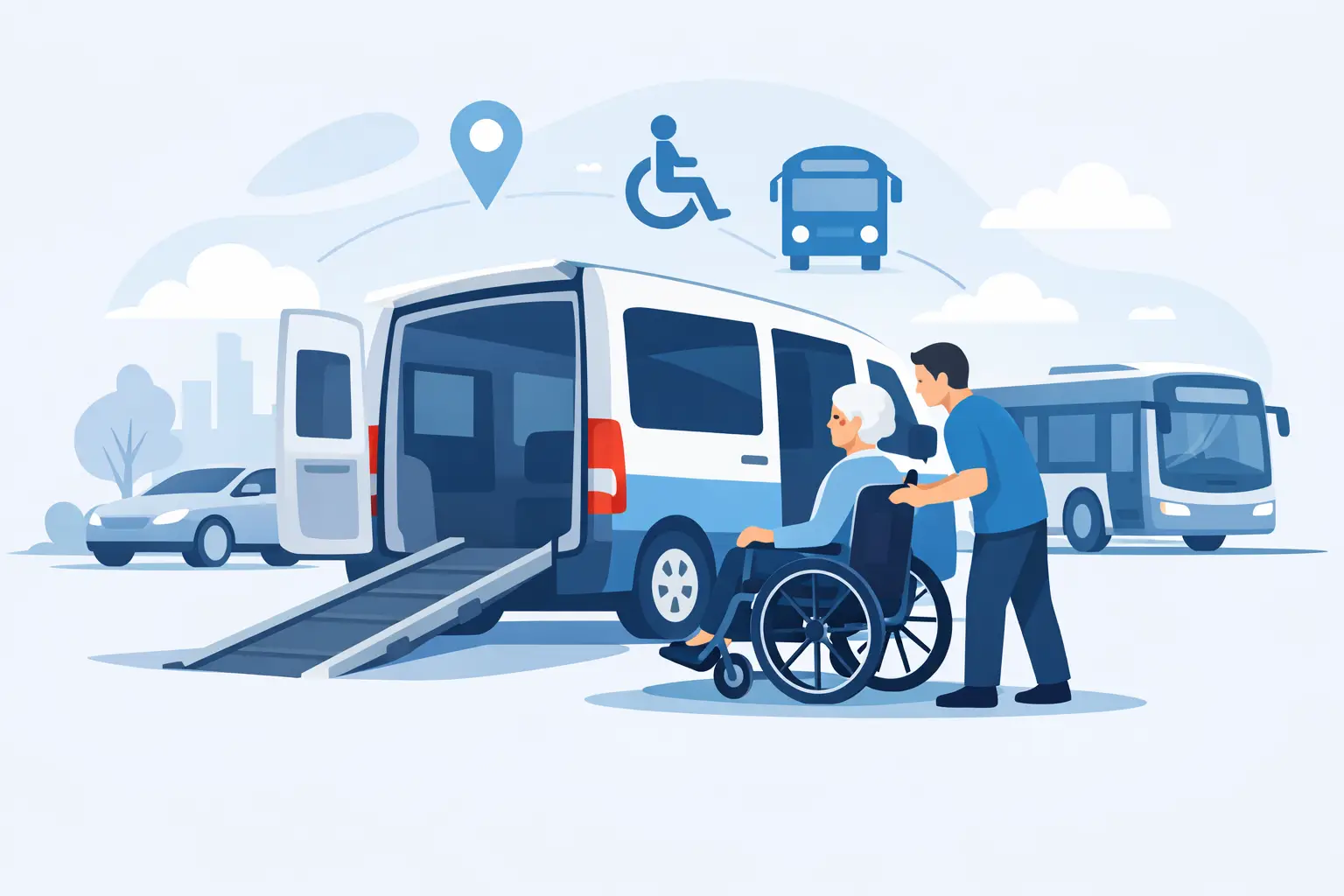
A missed ride to dialysis is not a small inconvenience. For many older adults, it can throw off an entire week of care, create unnecessary pain, and leave family members scrambling to fix a problem that should never have happened in the first place. That is why wheelchair accessible transportation for seniors matters so much. It is not just about getting from one address to another. It is about safety, dignity, comfort, and the confidence that an important trip will happen the way it should.
For seniors who use a wheelchair, transportation often becomes one of the biggest barriers to staying healthy and connected. A standard car may be too difficult to enter. A rideshare driver may not have the right equipment or training. Even when a family member wants to help, lifting, transferring, and securing a wheelchair can be physically demanding and risky for everyone involved.
The right transportation service removes those barriers. It gives older adults a way to keep medical appointments, attend therapy, visit loved ones, and continue participating in daily life without the added stress of wondering how they will get there.
What wheelchair accessible transportation for seniors should actually provide
Not every ride service is built for wheelchair users. Some options say they can accommodate mobility needs, but in practice that may mean limited assistance, long wait times, or a requirement to transfer out of the wheelchair. For many seniors, that is not a workable solution.
A true wheelchair accessible service starts with the vehicle itself. The van should be designed to safely transport a rider while they remain in their wheelchair, using proper ramps or lifts and secure tie-down systems. That reduces physical strain and avoids the discomfort that can come with unnecessary transfers.
Just as important is the person behind the wheel. A trained driver is not only driving from point A to point B. They are helping with boarding, checking wheelchair securement, allowing time for careful entry and exit, and treating the passenger with patience and respect. That human part of the ride makes a real difference, especially for seniors who may already feel anxious about leaving home.
Door-to-door support also matters. Some trips are simple, while others involve apartment buildings, medical campuses, bad weather, or fatigue after treatment. A dependable service understands that accessibility is not just about the van. It is about the full experience from pickup to drop-off.
Why families look for more than just a ride
When adult children or caregivers arrange transportation, they are usually thinking about more than scheduling. They want to know whether their loved one will be treated kindly. They want to know the driver will arrive on time. They want to know that if there is a change or delay, someone will answer the phone and explain what is happening.
That peace of mind is hard to put a price on. Medical transportation, especially for recurring appointments, becomes part of a family’s routine. If the service is unreliable, every appointment turns into a source of tension. If the service is responsive and consistent, life becomes more manageable.
This is one reason specialized providers stand apart from general transportation options. They are built around mobility support. They understand recurring care schedules, the extra time some riders need, and the importance of clear communication with both passengers and caregivers.
Common trips where accessible transportation helps most
Healthcare visits are often the first reason families seek transportation, and for good reason. Seniors may need regular rides to dialysis, rehabilitation, specialist appointments, outpatient procedures, or follow-up visits after a hospital stay. These are not optional errands. Missing them can directly affect health and recovery.
But medical care is only part of the picture. Seniors also need transportation for everyday life and emotional well-being. Visiting family, attending a religious service, going to a community event, getting to a personal appointment, or simply having lunch with a friend can make a meaningful difference. Isolation tends to grow when transportation becomes difficult. Reliable accessible rides help protect independence and connection.
That balance matters. Some riders need service primarily for healthcare. Others need it for both essential appointments and social outings. A good provider understands that both are important.
How to choose wheelchair accessible transportation for seniors
The best choice depends on the rider’s health needs, wheelchair type, trip frequency, and desired level of assistance. Still, there are a few signs that a service is set up the right way.
Start by asking whether the rider can remain in their wheelchair for the entire trip. For many seniors, this is one of the biggest comfort and safety factors. If transfers are required, that may create pain, instability, or embarrassment that could have been avoided.
Next, ask what kind of support the driver provides. Some companies offer only curb-to-curb service. Others provide hands-on assistance from the door, help with boarding, and patient support throughout the process. The difference is especially important for older adults with limited strength, balance issues, or cognitive decline.
It is also worth asking about punctuality and scheduling. Medical appointments often run on strict timelines. A service that routinely arrives late can disrupt treatment, while one that plans carefully and communicates clearly can remove a major source of stress.
Finally, ask practical questions about booking, pricing, and response time. Is it easy to schedule recurring rides? Can the company handle short-notice requests when possible? Is the pricing clear? Families do not need surprises. They need dependable service and straightforward answers.
The trade-offs between public, family, and private options
There is no single transportation solution that fits everyone. Public paratransit can be more affordable, but it often comes with wider pickup windows, shared rides, and less flexibility. For some seniors, that is perfectly acceptable. For others, especially those with frequent medical appointments or fragile health, the longer ride times and rigid scheduling can be difficult.
Family transportation can feel personal and convenient, but it is not always sustainable. Lifting equipment, helping with transfers, taking time away from work, and coordinating around appointments can become overwhelming. Many caregivers start out handling every trip themselves, only to realize later that the arrangement is too physically and emotionally demanding.
Private non-emergency accessible transportation often costs more per trip, but it can offer shorter travel times, direct service, and a much higher level of support. For seniors who need reliability and comfort, that trade-off is often worth it. It depends on budget, frequency of travel, and how much assistance the rider truly needs.
Comfort and dignity are not extras
Families sometimes focus first on logistics, which makes sense. The ride needs to be available, affordable, and on time. But comfort and dignity matter just as much, especially for older adults who may already feel that illness or mobility loss has narrowed their world.
A respectful transportation experience helps restore a sense of control. The rider is not being rushed, talked over, or treated like a problem to solve. They are being assisted by someone who understands that this trip matters. Even small details, like a calm driver, a smooth ride, and help getting settled, can change how a person feels about leaving home again.
That emotional side is easy to overlook, but it often shapes whether a senior is willing to keep appointments or accept social invitations. When the ride feels safe and supportive, people are more likely to stay engaged with the care and relationships that keep them well.
What a dependable service looks like in real life
In practice, dependable transportation is often simple. The phone is answered. The pickup is confirmed. The driver arrives when expected, greets the passenger kindly, and takes time to secure the wheelchair properly. The trip is direct, comfortable, and calm. If there is a question about timing, cost, or coverage, someone explains it clearly.
That is the kind of everyday reliability families remember. It is also the reason many riders continue using the same provider for recurring trips. Companies like KE Transport are built around this kind of service – helping passengers stay in their wheelchairs, offering direct door-to-door support, and making a stressful task feel manageable.
For seniors, transportation should not be another obstacle to healthcare, independence, or connection. It should be one less thing to worry about. When the right support is in place, getting out the door becomes easier, appointments stay on track, and families can spend less time coordinating rides and more time caring for the person who matters most.
If you are weighing options for a parent, spouse, or yourself, look beyond the idea of a basic ride. The best transportation support feels steady, respectful, and human from start to finish. That kind of help does more than move someone across town. It helps them keep living life with greater comfort and confidence.
Leave a Reply