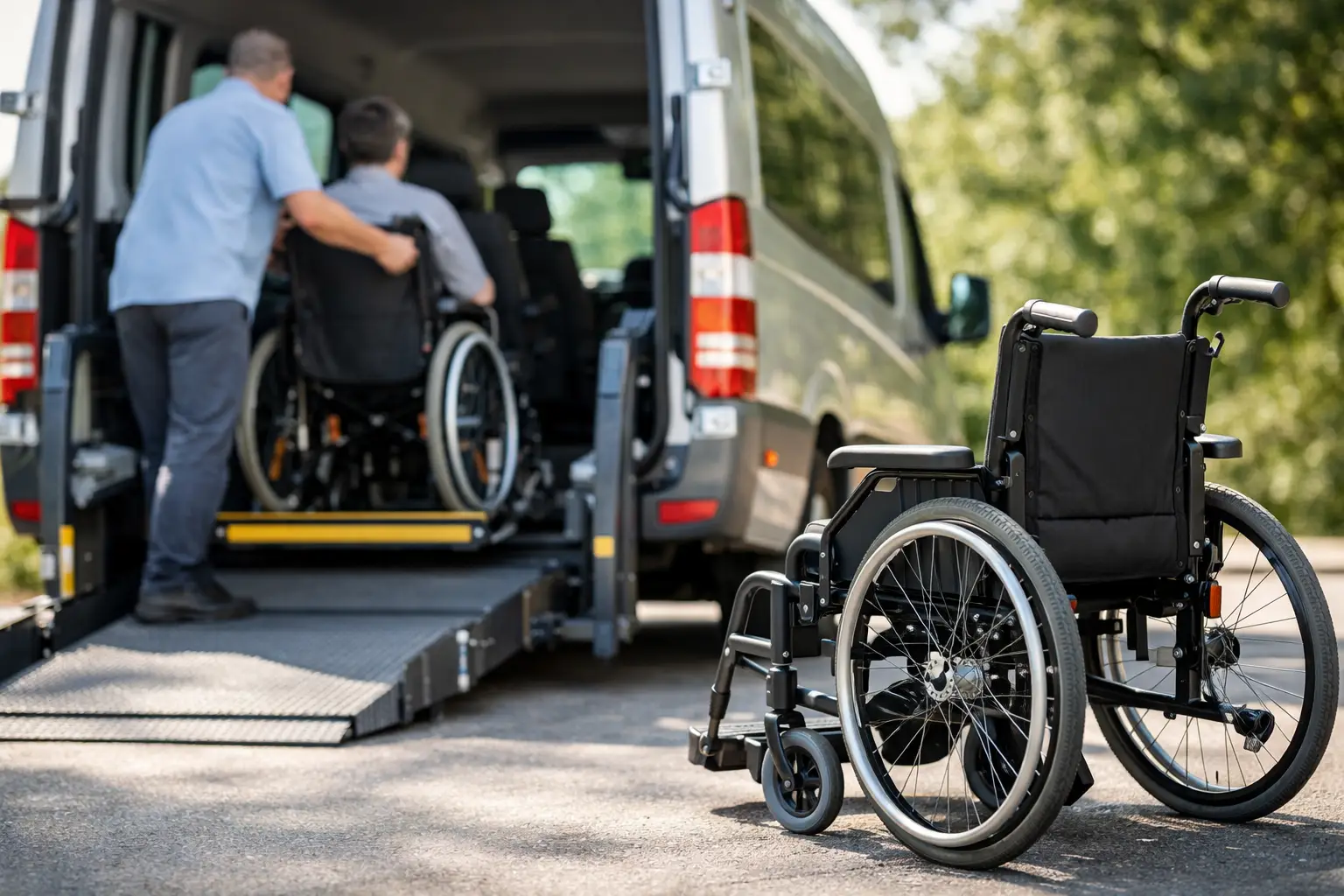
A ride can look simple on a calendar: a dialysis session, a specialist appointment, lunch with family. But for someone who uses a wheelchair, getting there safely and comfortably depends on far more than having a ramp. The best wheelchair transport features are the ones that protect dignity, reduce physical strain, and make every trip feel less stressful for both passengers and caregivers.
A well-equipped vehicle matters, but so does the person operating it. Reliable wheelchair transportation should be built around the passenger from the first booking call through safe arrival at the destination. Here is what to look for when choosing transportation for recurring medical visits, personal errands, or meaningful social outings.
Best Wheelchair Transport Features for Safer Rides
A properly fitted ramp or lift
The first feature most people notice is how the passenger enters the vehicle. A ramp may work well for many manual and power wheelchairs when it has a safe slope, non-slip surface, and enough width. A hydraulic lift can be a better fit for heavier power chairs or for passengers who need a more level entry.
Neither option is automatically better in every situation. What matters is whether the equipment matches the wheelchair, the passenger’s needs, and the driver’s training. Entry and exit should never feel rushed, unsteady, or like the passenger has to squeeze through a space that was not designed for them.
Secure wheelchair tie-downs
A wheelchair must be secured to the vehicle floor, not simply held in place by a person or positioned against a seat. Look for a four-point tie-down system that anchors the chair at multiple locations and keeps it from shifting during turns, braking, or uneven roads.
The passenger also needs an appropriate seat belt or occupant restraint. Wheelchair tie-downs stabilize the chair, while the passenger restraint protects the person. Both are essential. Drivers should understand how to attach the straps correctly without interfering with wheelchair controls, footrests, medical equipment, or the rider’s comfort.
Enough interior space to ride comfortably
Accessibility is not just about getting inside. Once the wheelchair is secured, the passenger should have room to sit naturally and travel without their knees, feet, or armrests pressed against the vehicle interior.
Adequate headroom and turning space are especially important for larger power wheelchairs, tilt-in-space chairs, and passengers traveling with oxygen, bags, or mobility equipment. A vehicle that is technically accessible but too cramped can make a short ride uncomfortable and a longer medical trip exhausting.
Smooth vehicle access and a clean ride
For riders with chronic pain, recent procedures, balance concerns, or fatigue after treatment, a smooth ride is not a luxury. It can make the difference between arriving ready for an appointment and arriving already worn out.
Well-maintained suspension, careful driving, and a clean, climate-controlled cabin all contribute to comfort. Air conditioning is particularly valuable in warm weather, while a calm, tidy vehicle can help reduce anxiety for passengers who may already be nervous about traveling. These details show that the service sees a rider as a person, not simply a pickup.
Direct, door-to-door service
The route matters as much as the vehicle. A shared ride with multiple stops may be acceptable for some outings, but it can be difficult for a passenger who has a time-sensitive appointment, needs to manage pain, or is returning home tired after dialysis.
Door-to-door service means the driver helps make the transition from the pickup location to the vehicle and from the vehicle to the destination entrance. Depending on the passenger’s needs and the setting, this may include meeting them at the lobby, waiting while they are safely situated, and providing steady assistance around ramps or curbs. It should not mean being left at the edge of a parking lot to figure out the rest alone.
Trained, patient drivers
Equipment can only do so much. The human side of wheelchair transportation is what turns a functional ride into a reassuring one. A trained driver knows how to operate ramps and lifts, secure different wheelchair types, check restraints, communicate before moving, and handle the ride with care.
Just as important, they treat the passenger with patience and respect. Medical appointments can run late. A rider may need a little extra time to get ready. A family member may have questions about pickup timing or what to bring. A professional driver explains the process clearly and never makes a passenger feel like an inconvenience.
Features That Matter Most for Medical Trips
Medical transportation has its own pressures. Missing a treatment session or arriving late for a specialist visit can create real worry. For recurring rides, reliability and communication become features in their own right.
Dependable scheduling and punctuality
A transportation provider should be clear about pickup windows, expected travel time, and how to reach the team if plans change. Families arranging rides for a parent or loved one need to know that the vehicle will arrive as promised, particularly when they cannot be there in person.
Punctuality does not mean treating every trip like a race. It means planning enough time for safe loading, traffic, and the passenger’s comfort. A good provider confirms the details in advance and communicates promptly if there is an unexpected delay.
Flexibility for return trips
Not every appointment ends on schedule. A clinic may be behind, a treatment may take longer than expected, or a patient may need a few minutes to rest before leaving. Ask how return transportation is handled and whether the provider can accommodate changing pickup times.
This is especially helpful for dialysis patients and people attending outpatient procedures. The right service understands that a return ride is not an afterthought. It is part of the care experience, and it should be handled with the same attention as the trip there.
Support for companions and essential items
Some passengers travel best with a family member, caregiver, or personal assistant. Others need to bring a walker, medication bag, oxygen equipment, or extra belongings for a long day out. Before booking, confirm that the vehicle can safely accommodate these needs.
Space and policies vary, so it is worth discussing them upfront rather than assuming. Clear answers prevent uncomfortable surprises at pickup and help the driver prepare for the ride properly.
Questions to Ask Before You Book
The right questions can reveal whether a transportation provider is truly accessibility-first. Start by describing the wheelchair type, including whether it is manual, power, or oversized. Share any relevant needs, such as assistance with ramps, a companion traveling along, oxygen equipment, or a return time that may change.
You can also ask how wheelchairs are secured, whether drivers receive accessibility training, and what door-to-door assistance looks like in practice. If the ride is for a medical appointment, ask how the team handles delays and communicates with families. A provider should welcome these questions because the answers help create a safer, more comfortable trip.
Price is also part of planning. Per-trip transportation pricing may depend on the distance traveled, waiting needs, and the level of assistance required. The lowest quote is not always the best value if it leaves the passenger without proper securement, dependable timing, or respectful support. Clear pricing and straightforward ride details make it easier for families to make a confident decision.
Comfort and Dignity Should Never Be Extras
Wheelchair transportation is about staying connected to the places and people that matter. It supports medical care, but it also supports everyday independence: visiting friends, attending a celebration, getting to an important errand, or simply leaving home without the fear of an inaccessible ride.
At KE Transport, the goal is to make those trips feel manageable with attentive assistance, properly accessible vehicles, and a friendly face along the way. When transportation is designed around the passenger rather than the other way around, each ride can begin with more confidence and end with greater peace of mind.
Leave a Reply