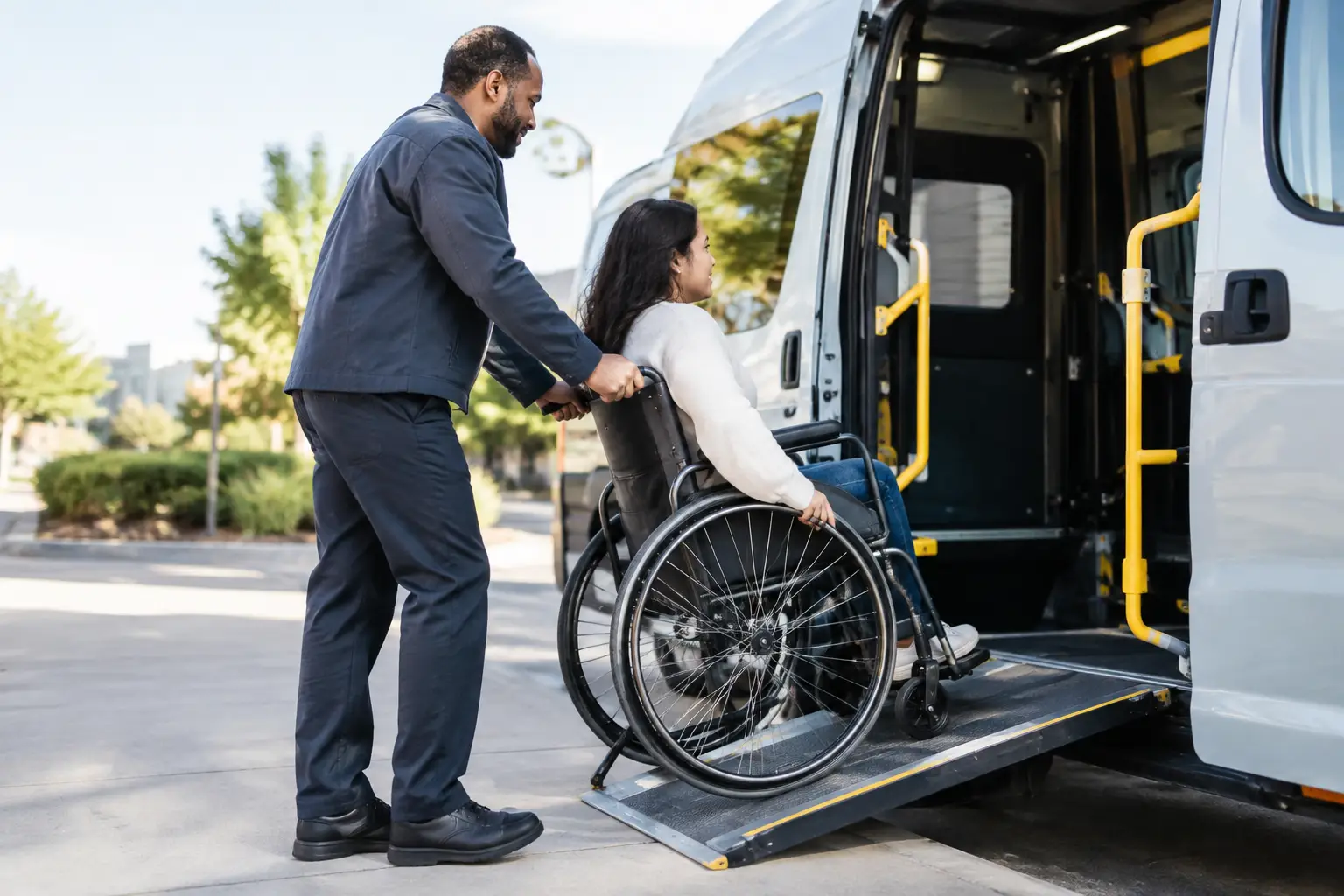
A medical appointment may take an hour, but getting there can take over an entire day when transportation is uncertain. For wheelchair users and the families who support them, accessible transportation is not simply a ride with a ramp. It is the difference between arriving calm and prepared or arriving tired, late, and worried about how the trip home will go.
The right service recognizes that every trip matters. A dialysis visit is not optional. A specialist appointment may have been booked months ago. Lunch with friends, a family celebration, or an afternoon at a community center can be just as meaningful. Transportation should support those plans with care, not turn them into an exhausting logistical problem.
What Accessible Transportation Should Actually Provide
A vehicle can be called accessible and still leave a passenger feeling rushed or unsupported. True accessibility begins before the vehicle arrives. It includes clear answers when booking, an appropriate vehicle for the rider’s wheelchair, a realistic pickup time, and a driver who understands that safety and dignity come first.
For many passengers, remaining in their own wheelchair throughout the trip is essential. Moving into a standard car seat can be uncomfortable, physically difficult, or unsafe. It may require lifting, transferring, and managing equipment that is not meant to be handled quickly at the curb. A wheelchair-accessible vehicle allows the passenger to travel in the chair that supports their posture, positioning, and daily needs.
That does not mean every ride looks the same. A lightweight manual chair, a powered wheelchair, a reclining chair, and a chair with medical accessories can have different space and securement requirements. A thoughtful transportation provider asks about these details in advance rather than making assumptions at pickup.
Door-to-door service also has real meaning. It should not leave someone waiting alone at a distant pickup point or struggling with an unfamiliar drop-off area. Depending on the passenger’s needs, a helping hand from the building entrance to the vehicle, careful wheelchair positioning, and confirmation of the correct destination can make the trip far less stressful.
Why Reliability Matters Most for Medical Travel
Medical transportation is often treated as a scheduling issue. For riders, it is personal. Missing a dialysis session, arriving late for a hospital test, or waiting for a return ride while feeling unwell can create unnecessary anxiety for the patient and caregiver alike.
Reliable accessible transportation starts with planning enough time for pickup, traffic, loading, and the route into a medical facility. Drivers should understand that hospitals and clinics can have confusing entrances, busy drop-off lanes, and long distances between the curb and the department a patient needs to reach. Punctuality matters, but so does allowing enough time that no one feels pressured during boarding.
Return rides deserve equal attention. Appointments can run long, and a patient may not be ready at the exact minute originally expected. A provider should explain how return pickup works, what to do if the appointment is delayed, and who to contact if plans change. Clear communication is especially valuable when a family member is arranging the ride from work or from another location.
Recurring trips, such as dialysis or rehabilitation appointments, can benefit from a consistent schedule and familiar process. The goal is not to make a passenger feel like a number on a route. It is to reduce the effort required to manage an already demanding routine.
The Human Side of a Comfortable Ride
Comfort is easy to overlook until it is missing. A bumpy ride, a poorly secured wheelchair, a driver who speaks over the passenger, or uncertainty about where to wait can make even a short trip feel long. Respectful service is built through small actions that show a rider is being seen and heard.
A professional driver takes time to secure the wheelchair correctly, checks that the passenger is comfortable, and drives with care. They communicate directly with the passenger whenever possible, even when a caregiver is present. They do not treat assistance as a favor. It is part of the service and part of protecting a person’s independence.
For a rider who is anxious about leaving home, a friendly face and a calm explanation can change the experience. This is particularly true after a procedure, during recovery, or when someone is adjusting to a new mobility challenge. The journey should feel organized and unhurried, not clinical or impersonal.
Family caregivers carry their own concerns. They may be balancing appointments, work, children, and care responsibilities, while worrying about whether their loved one will be handled safely. Responsive booking support and timely updates can give them confidence that they do not have to manage every detail alone.
Choosing an Accessible Transportation Provider
Price is understandably part of the decision, especially for frequent medical travel. Still, the lowest quoted fare may not reflect the level of assistance, vehicle suitability, or reliability a passenger needs. It helps to understand what is included before booking rather than facing uncertainty on the day of travel.
When speaking with a provider, ask how they handle the passenger’s specific wheelchair, whether the trip is direct or shared, and what assistance is available at pickup and drop-off. Ask how far in advance rides should be booked, whether short-notice requests can sometimes be accommodated, and what happens if an appointment runs late. If insurance coverage is relevant, request a clear explanation of how the ride is billed and what documentation may be needed.
It is also reasonable to ask about driver training, wheelchair securement, and the type of vehicle used. These questions are not demanding. They are practical safeguards for a passenger whose well-being depends on the service being prepared.
A good provider will answer plainly. They will not promise what they cannot deliver, and they will be honest when a particular trip requires advance notice or additional planning. That transparency builds more trust than vague reassurance.
Direct Trips Versus Shared Rides
Shared transportation may work well for some travelers, particularly when schedules are flexible and cost is the main concern. However, it can involve additional stops, longer travel times, and less control over pickup and return windows. For someone attending dialysis, recovering from treatment, or managing fatigue or pain, those trade-offs may be too significant.
A direct ride is often the better fit when timing, comfort, and reduced exposure to delays are priorities. The right choice depends on the passenger’s health, appointment schedule, budget, and tolerance for waiting. What matters is having the information to decide without pressure.
Accessible Transportation Supports Life Beyond Appointments
Healthcare trips may be the most urgent reason to book, but mobility is also about staying connected. A wheelchair user should be able to visit family, attend a religious service, go to a birthday dinner, or enjoy a day out without first wondering whether a vehicle can safely accommodate them.
Social outings can take more planning than medical appointments because schedules may be less fixed and destinations may be less familiar. Let the transportation provider know if there are steps, steep driveways, limited parking, or a preferred entrance at the destination. A few details shared ahead of time can prevent a difficult arrival.
For many people, the ability to say yes to an invitation has a powerful effect. It protects routines, relationships, and a sense of choice. Transportation is practical, but it also gives people access to the ordinary moments that make life feel like their own.
A Better Ride Starts With a Better Conversation
Before the first booking, take a moment to share what would make the trip feel safe and comfortable. Mention the wheelchair type, whether the rider needs extra time, the appointment location, and any concerns about transfers or mobility. There is no need to minimize those needs to make the booking easier.
At KE Transport, careful planning and respectful assistance are part of helping passengers get where they need to go. Whether the destination is a recurring treatment, an important appointment, or an afternoon with loved ones, the best ride is one that lets the passenger focus on the day ahead rather than the difficulty of getting there.
Everyone deserves transportation that meets them where they are, supports the way they move, and leaves room for the plans that matter most.
Leave a Reply