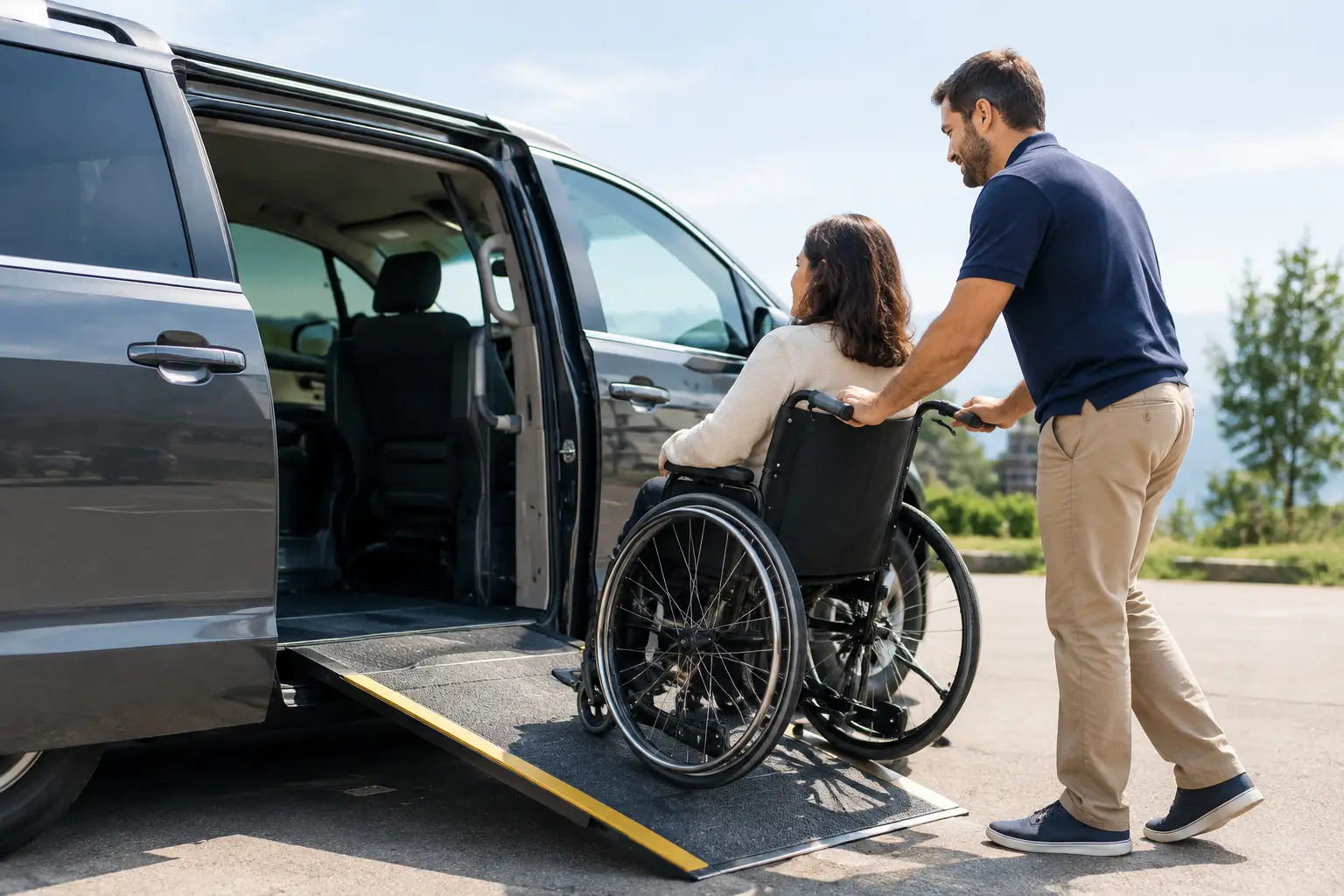
A medical appointment can feel demanding before the ride even begins. A thoughtful wheelchair van safety guide helps remove one source of worry by showing riders and caregivers what a secure, respectful trip should look like – from the moment the vehicle arrives until the passenger is safely at the door.
For someone who uses a wheelchair, transportation is not simply about getting from one place to another. It is about staying comfortable, protecting personal dignity, and avoiding unnecessary transfers that can cause pain, fatigue, or injury. The right preparation, vehicle, and driver support can make recurring rides for dialysis, specialist visits, errands, and social plans feel far more manageable.
Start With a Vehicle That Fits the Rider
Not every wheelchair van is right for every passenger. A safe ride begins with a vehicle that can accommodate the rider’s specific wheelchair, body position, mobility needs, and any medical equipment traveling with them. Power wheelchairs, reclining chairs, tilt-in-space chairs, and larger mobility devices may require more room and a different securement setup than a standard manual wheelchair.
Before booking, share the wheelchair type and any details that affect access. This includes the chair’s approximate size and weight, whether it has a headrest or elevated leg rests, and whether the rider uses oxygen, a feeding pump, or other equipment. Clear information allows the transportation team to send an appropriate vehicle instead of trying to make a poor fit work at pickup.
Check the Lift or Ramp Before Boarding
A ramp or lift should be clean, dry, stable, and fully deployed before the wheelchair is moved onto it. The driver should guide the process rather than rush it. On a lift, the wheelchair should be positioned according to the equipment instructions, with the brakes applied when required and any safety barriers or roll stops raised.
Riders and caregivers should never feel pressured to board before they are ready. If the rider feels unsteady, has recently had surgery, or is experiencing pain, say so. A few extra minutes at the curb are preferable to an uncomfortable or unsafe transfer process.
Secure the Wheelchair, Not Just the Passenger
One of the most serious risks in accessible transportation is incomplete wheelchair securement. A seat belt alone does not hold the wheelchair in place. The chair itself needs to be secured to the vehicle floor using an approved tie-down system or docking system designed for that chair and vehicle.
In many vans, four-point tie-downs are used: two restraints at the front of the wheelchair and two at the rear. They should be connected to designated securement points on the wheelchair frame, not to removable parts such as footrests, armrests, wheels, or joystick controls. The straps should be tight enough to limit movement without damaging the chair.
A separate occupant restraint system should then be positioned over the rider. The lap belt belongs low across the hips, while the shoulder belt should lie across the chest and shoulder without pressing against the neck or slipping behind the back. If a belt does not fit correctly, the driver should address the issue before the vehicle moves.
Wheelchair Van Safety Guide: Prepare Before Pickup
A smoother ride often starts at home. Have essentials ready before the scheduled pickup time so boarding is not rushed. Bring appointment paperwork, identification, medications needed during travel, a phone, and a charger if possible. For longer trips, water, a light snack, and a small blanket can make the ride more comfortable, provided they do not interfere with securement.
Check that the wheelchair battery is adequately charged, especially for power chairs. If the chair has detachable components, make sure they are properly attached or safely stored. Loose bags should not hang from the back of the wheelchair where they can shift, catch on the lift, or change the chair’s balance. A bag can travel with the rider when it is secure and does not block belts or access to the wheelchair controls.
Let the driver know about any changes from the usual routine. Perhaps the passenger is feeling weak after treatment, has a sore shoulder that makes certain belt positions uncomfortable, or needs a little more time to board. Reliable transportation is personal. A professional team can only provide the right level of assistance when it understands what the rider needs that day.
During Boarding and the Ride
Once the driver arrives, there should be a calm, unhurried process. The driver may assist with positioning the wheelchair, operating the lift or ramp, and checking the restraints. A caregiver can stay nearby and communicate the rider’s preferences, but they should not have to take over specialized securement tasks.
Before the van departs, the rider should feel stable. The wheelchair should not roll, rock, or shift when the driver checks it. Personal items should be within reach but not loose in the aisle. Mobility aids such as canes, walkers, or portable oxygen equipment need a safe storage position where they will not become hazards during a sudden stop.
The quality of the drive matters, too. Gentle braking, careful turns, and sensible speed help protect passengers from discomfort. This is especially meaningful for people managing chronic pain, recent injuries, fatigue, or the effects of dialysis. A safe ride is not only about avoiding a collision. It is also about minimizing the jolts and strain that can make a passenger feel unwell afterward.
If something feels wrong during the trip – a belt is rubbing, the chair seems to move, the temperature is uncomfortable, or the rider begins to feel ill – speak up right away. The driver should be able to pull over safely and make reasonable adjustments. Silence can turn a small problem into a much harder ride.
What Caregivers Can Do Without Taking Over
Caregivers often carry the responsibility of coordinating appointments, timing, paperwork, and a loved one’s comfort. It helps to keep a simple routine: confirm the pickup time, allow extra time for boarding, and share any special needs when making the reservation. For recurring medical trips, keeping the same notes on wheelchair type, entry preferences, and assistance needs can prevent repeated explanations.
At the same time, the rider should remain part of the conversation whenever possible. Ask where they prefer to wait, whether they are comfortable with the temperature, and if they want a caregiver seated nearby. Respectful transportation recognizes the passenger as a person with preferences, not a task to be moved.
For family members arranging rides from a distance, good communication is especially valuable. A responsive provider can explain when the vehicle is expected, what assistance is available, and how the trip will be handled. That clarity helps families feel reassured without needing to manage every moment from afar.
Questions to Ask a Wheelchair Transportation Provider
Before choosing a service, ask direct questions about its safety practices. The answers should be clear, patient, and specific rather than vague. Four useful questions are:
- Are drivers trained to operate wheelchair lifts or ramps and secure different wheelchair types?
- Does each vehicle use appropriate wheelchair tie-downs and separate passenger restraints?
- Can the service accommodate the rider’s chair size, weight, and medical equipment?
- What happens if a rider needs extra boarding time or has a change in condition on the day of travel?
You may also want to ask whether the service provides door-to-door assistance and whether drivers can wait while the rider is safely received at the destination. For medical visits, a direct route and dependable timing can reduce stress before care even begins.
KE Transport approaches each ride with this kind of practical attention, recognizing that safe wheelchair transportation depends on more than a modified vehicle. It depends on patient assistance, careful handling, and clear communication with the passenger and family.
Safe Arrival Is Part of the Ride
Safety does not end when the van parks. The driver should choose a safe location for unloading, away from traffic when possible, and deploy the ramp or lift fully before releasing the wheelchair. The rider should be given time to orient themselves, gather belongings, and move toward the entrance at a comfortable pace.
For clinics, treatment centers, or unfamiliar buildings, confirm where the rider needs to go before the vehicle leaves. A person may be physically out of the van but still need help reaching the correct entrance, checking in, or connecting with a caregiver. That final bit of support can make the difference between simply arriving and arriving with confidence.
The best rides feel calm because the details were handled with care. When the wheelchair is properly secured, the driver listens, and the passenger is treated with patience, transportation becomes less of an obstacle and more of a dependable part of everyday independence.
Leave a Reply