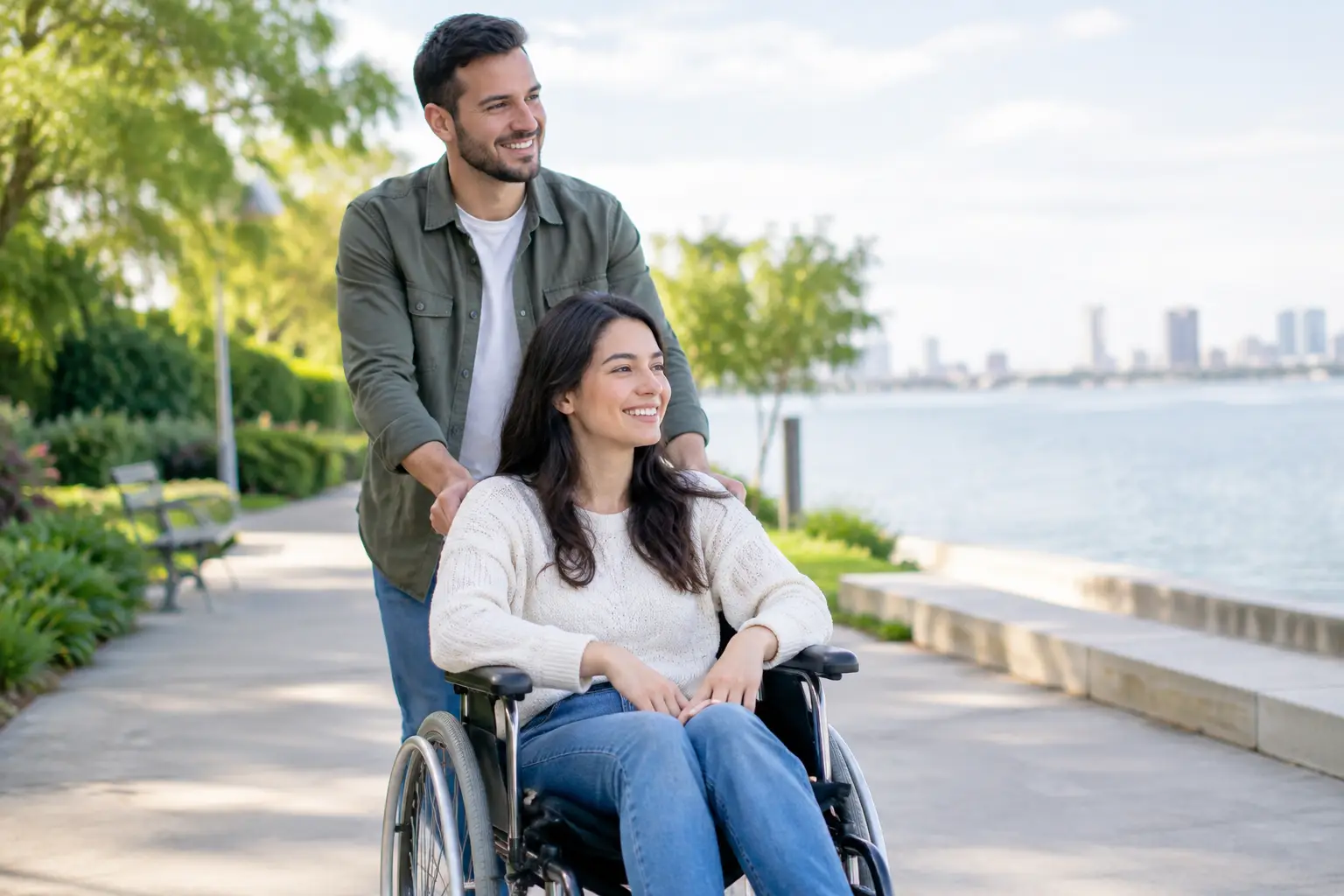
A lunch with old friends, a grandchild’s recital, a place of worship, or a family birthday can be the bright spot on a calendar. But when transportation involves an inaccessible vehicle, a rushed pickup, or an uncomfortable transfer, the trip can feel stressful before it even begins. Wheelchair rides for social outings should make it easier to say yes to the moments and people that matter.
For wheelchair users, getting out is not simply about reaching an address. It is about being treated with patience, traveling in comfort, and arriving with enough energy to enjoy the occasion. For family caregivers, it is about knowing a loved one is in capable hands from pickup through drop-off.
Social Outings Support Independence
Medical appointments may be necessary, but social plans are necessary in a different way. Time with family, neighbors, friends, and community helps people stay connected to the routines that give life meaning. A reliable ride can turn a difficult plan into a regular visit, whether that means meeting friends for coffee once a month or attending a weekly community activity.
Mobility needs should not require someone to miss celebrations, skip a reunion, or depend on a family member’s schedule every time they want to go out. Accessible transportation gives riders more choices while keeping safety and comfort at the center of the trip.
The best arrangement depends on the rider. Some people prefer a quiet, direct ride with minimal waiting. Others need extra time at pickup, assistance with belongings, or a little reassurance before leaving home. There is no single right way to travel. What matters is choosing a service that listens to those needs instead of asking the passenger to adapt to a process that was not designed for them.
What Comfortable Wheelchair Rides for Social Outings Look Like
A good ride starts before the vehicle arrives. Clear communication about the pickup address, destination, time, wheelchair type, and any assistance needs helps prevent last-minute surprises. It also gives the passenger and family a clearer sense of what to expect.
No unnecessary transfers
For many wheelchair users, transferring into a standard car seat is uncomfortable, difficult, or unsafe. It can also take away from the feeling of independence that the outing is meant to provide. A wheelchair-accessible vehicle allows the passenger to remain in their wheelchair during transport, with the chair properly secured for the ride.
This is not only about convenience. Staying in a familiar seating position can help a rider feel more settled, especially when pain, fatigue, balance concerns, or limited mobility are part of daily life.
Time to board safely
Social events do not need to begin with a rush. A thoughtful driver allows time for ramp or lift access, securement, and a comfortable check before departure. This matters for riders who need help getting from their doorway to the vehicle or who are traveling with a caregiver, walker, oxygen equipment, or personal items.
A smooth ride also depends on careful driving. Gentle turns, gradual stops, and attention to road conditions can make a real difference, particularly for older adults and passengers who are sensitive to movement.
A plan for both ends of the trip
The destination is just as important as the pickup. A restaurant may have an accessible entrance but limited space between tables. A community center may have a ramp but require a longer walk from the drop-off point. A family home may have a narrow pathway or a step at the entrance.
Before booking, it helps to ask the host or venue about the entrance, restroom access, elevator availability, and a suitable place to be dropped off. These small details can protect the rider’s comfort and avoid an awkward arrival. If the location has accessibility limits, an earlier arrival or a different entrance may be the simplest solution.
Planning a Social Ride Without the Stress
A little preparation can make an outing feel much more relaxed. Start with the event time, then work backward. Consider how long boarding may take, how far the destination is, and whether the rider would feel better arriving early rather than cutting it close. For a concert, a holiday gathering, or a busy weekend restaurant, extra time is usually worth it.
When making the reservation, share the details that affect the ride. Let the transportation provider know if the passenger uses a power wheelchair, needs a caregiver to travel with them, has a preferred pickup procedure, or may need a few extra minutes. Honest information helps the provider send the right vehicle and prepare the driver properly.
It is also useful to confirm the return plan. Some outings have a fixed ending time, such as a religious service or a theater performance. Others, like a family visit, can run longer than expected. Scheduling a return pickup provides structure, while arranging a flexible pickup may be better when timing is uncertain. The right option depends on the event and on how comfortable the rider is with waiting.
For longer outings, think about comfort beyond the vehicle. Bring medications, water, a light jacket, a phone charger, and any personal items the rider may need. If fatigue is a concern, choose a venue where they can sit comfortably and take breaks. These are practical steps, but they also help everyone focus less on logistics and more on enjoying the day.
Questions Caregivers Can Ask Before Booking
Caregivers often carry the responsibility of coordinating a ride while also wanting their loved one to feel respected and included. A few clear questions can make the decision easier. Ask whether the vehicle is equipped to carry the passenger’s wheelchair safely, whether the driver can provide assistance at pickup and drop-off, and how much advance notice is recommended.
It is reasonable to ask how pricing is calculated, too. Per-trip transportation costs may depend on travel distance, waiting time, or the specific needs of the journey. Knowing the expected cost in advance helps families plan without uncertainty.
Communication matters as much as equipment. A responsive provider should be able to explain the ride process in plain language, confirm the important details, and let you know if there is a scheduling issue. For families arranging trips from a distance, that reassurance can be especially valuable.
Choosing the Right Outing, Not Just the Right Ride
Some social plans are naturally easier than others, and that is okay. An afternoon visit at a relative’s accessible home may be a better first outing than a crowded all-day festival. A quiet weekday lunch may feel more enjoyable than a packed weekend venue. Starting with a manageable trip can build confidence for the next one.
That does not mean a wheelchair user should only choose the easiest option. It means planning should match the person’s energy, preferences, and comfort level. The goal is not to make every outing perfect. The goal is to remove the transportation barrier so the rider has a genuine choice.
In Singapore, where appointments and social gatherings can involve busy roads, high-rise buildings, and crowded pickup areas, a provider that understands door-to-door support can take pressure off both riders and caregivers. KE Transport is built around that practical, personal kind of help: careful wheelchair handling, respectful assistance, and direct transportation that lets passengers focus on where they are going.
A Ride Can Be Part of a Good Day
The value of accessible transportation is often felt in the small moments: arriving early enough to greet everyone, staying for dessert because the return ride is arranged, or coming home tired in the satisfying way that follows a day well spent. These moments are not extras. They are part of a full, connected life.
When a ride is safe, comfortable, and handled with care, the question changes from “Is getting there too difficult?” to “Where would you like to go next?”
Leave a Reply