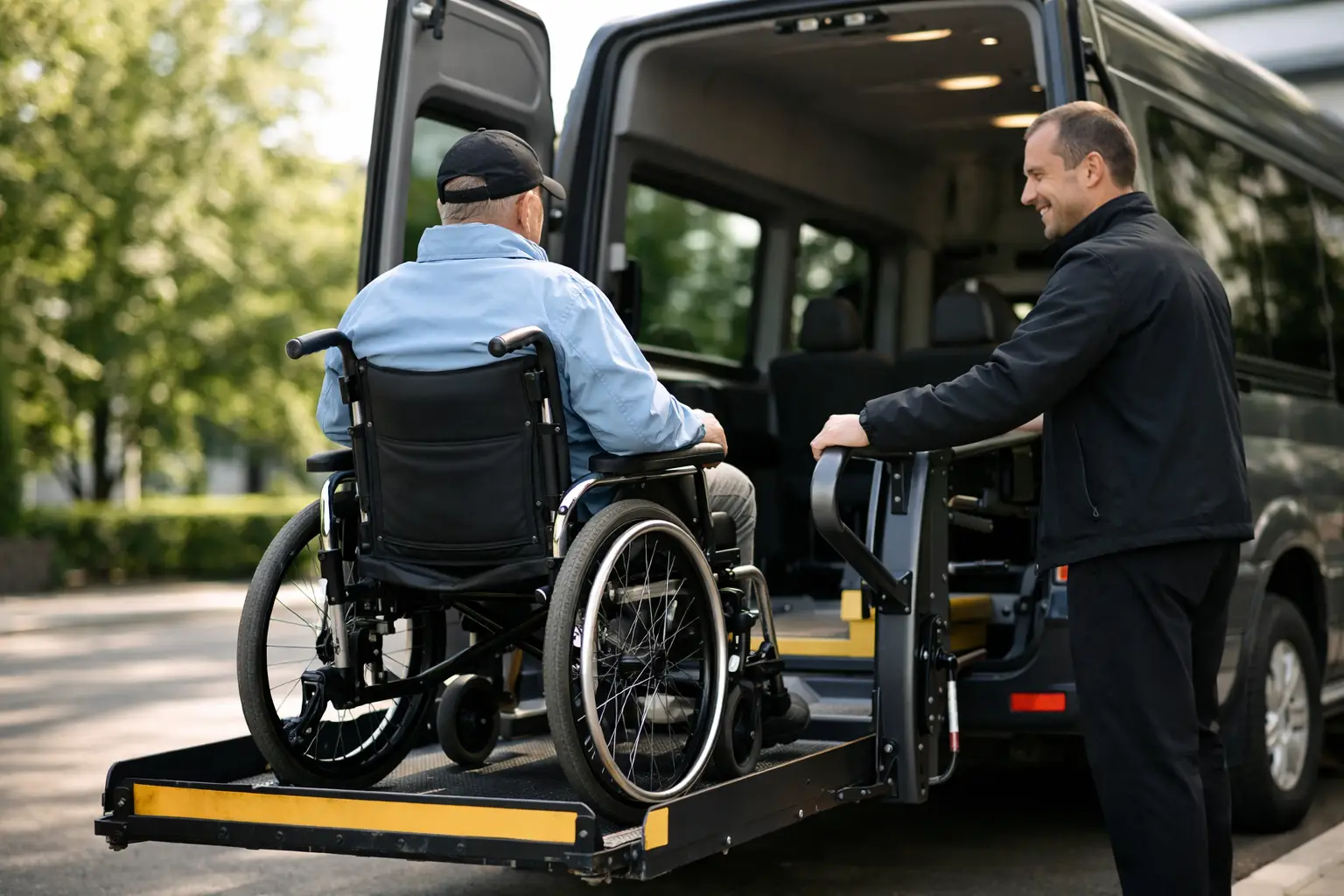
A medical appointment should not begin with worry about how to get there. Yet for many wheelchair users and family caregivers, transportation can be the most stressful part of the day. The right wheelchair transportation changes that experience by making the ride comfortable, direct, and centered on the passenger – not on the limitations of a vehicle or a rushed schedule.
For someone who uses a wheelchair, a ride is about much more than reaching an address. It is about arriving safely, staying in a familiar and properly secured chair, receiving patient assistance, and knowing the driver understands that timing matters. Whether the trip is for dialysis, a specialist visit, a family gathering, or an afternoon out, dependable transportation helps protect a person’s comfort, dignity, and independence.
What Wheelchair Transportation Should Feel Like
Accessible transportation should never make a passenger feel like an inconvenience. A well-planned ride begins at the door, with a driver who is prepared to assist thoughtfully and allow enough time for a safe pickup. The passenger should not be expected to leave their wheelchair, squeeze into a standard car, or figure out an unfamiliar loading process alone.
The vehicle matters, but so does the person providing the service. A wheelchair-accessible vehicle needs appropriate ramps or lifts, securement systems, and enough interior space for the rider to travel comfortably. Just as important, the driver should know how to handle the wheelchair carefully, confirm that it is properly secured, and communicate clearly throughout the trip.
For family members arranging rides, reassurance often comes from the small details. Was the pickup time confirmed? Does the provider explain what happens when the driver arrives? Will someone help a loved one from the building entrance to the vehicle when needed? Clear answers remove uncertainty before the ride even begins.
No unnecessary transfers
One of the greatest benefits of dedicated wheelchair transportation is avoiding an unnecessary transfer from a wheelchair into a car seat. Transfers can be uncomfortable, tiring, or unsafe for some riders. They may also require physical support that a standard ride service is not equipped to provide.
Remaining in the wheelchair allows the passenger to travel in the position and equipment that already support their needs. This is particularly meaningful for people recovering from surgery, managing chronic conditions, or dealing with limited strength and balance. It also helps make a recurring ride feel more predictable.
Door-to-door service makes a real difference
A curbside drop-off is not always enough. A passenger may need help getting from a residence, clinic lobby, or care facility entrance to the vehicle. Door-to-door service recognizes that the trip includes those moments before and after the drive.
That level of assistance should be respectful, never rushed. Some passengers want a little extra time to get settled. Others need the driver to wait while a caregiver brings a bag, walker, medical paperwork, or personal items. When the service is built around the rider, these needs are treated as part of the job, not as an interruption.
Why Reliable Rides Matter for Medical Care
Many wheelchair-accessible trips are connected to health care. Dialysis appointments, outpatient procedures, rehabilitation sessions, physician visits, and follow-up care often happen repeatedly. Missing or arriving late for these appointments can create real stress for patients and caregivers.
Reliability is especially valuable when a passenger is not feeling their best. After a long treatment, the thought of waiting for an uncertain ride can be exhausting. A scheduled transportation provider offers a clearer plan: a known pickup time, a vehicle suited to the passenger, and a driver who understands the importance of a calm return trip.
Punctuality does not mean treating every ride like a race. It means planning enough time for safe loading, traffic, building access, and the passenger’s comfort. For medical transportation, the best service balances timeliness with patience.
It is also worth discussing return-trip arrangements before the appointment. Some visits run longer than expected, while others may end early. Ask how the provider handles changes in timing, how to contact dispatch or the driver, and whether the booking team can help coordinate around the appointment window. Responsive communication can be just as valuable as the ride itself.
Planning Wheelchair Transportation for Regular Trips
A first ride is easier when the transportation provider has the right information ahead of time. A brief conversation during booking can help make sure the vehicle, timing, and assistance level fit the passenger’s situation.
Share the pickup and destination addresses, the requested arrival time, and whether the trip is one-way or round-trip. Let the provider know the type of wheelchair being used, especially if it is a larger power chair or has accessories that affect its size. Mention steps, narrow entryways, building elevators, or any pickup details that may require extra time.
It also helps to explain whether the passenger is traveling independently or with a caregiver. A companion may be able to assist with belongings and communication, but the transportation team should still be ready to provide appropriate support during boarding, securement, and exit.
For recurring appointments, ask about scheduling rides in advance. Regular bookings can reduce the number of details that need to be repeated each week and give both the rider and caregiver more confidence in the routine. At KE Transport, this kind of planning is approached as a personal service, because a familiar, dependable ride can make a demanding schedule feel more manageable.
Questions worth asking before booking
Not every accessible ride is the same. Before choosing a provider, ask whether passengers remain in their wheelchairs during travel, what assistance is included at pickup and drop-off, and how wheelchairs are secured. You should also ask how far in advance rides should be booked and whether short-notice requests can be accommodated when availability allows.
Pricing should be explained clearly. Some services charge by distance, while others may use zone-based or time-based rates. Knowing the expected per-trip cost ahead of time helps families plan without surprises. If insurance coverage or reimbursement may apply, ask what information the provider can supply for your records. A professional transportation company should be willing to explain the ride logistics in plain language.
Transportation Is Also About Staying Connected
Wheelchair transportation is often discussed only in medical terms, but life is bigger than appointments. Reliable rides can make it possible to visit friends, attend religious services, enjoy a meal with family, go to a community event, or simply spend time somewhere outside the home.
These outings can have a meaningful effect on well-being. When transportation is difficult, it is easy to postpone plans until they stop happening altogether. A safe, comfortable option gives riders more freedom to say yes to the moments that make a week feel full and connected.
Caregivers benefit as well. Coordinating accessible transportation can take pressure off a family member who may not have a suitable vehicle, the physical ability to transfer a loved one, or the flexibility to leave work for every appointment. Having a trusted provider does not replace family support. It gives families another dependable source of help.
A Ride Built Around Respect
The best transportation experience is often remembered for how the passenger was treated. A friendly greeting, careful handling of the wheelchair, a clean vehicle, and a driver who listens can turn a stressful errand into a smooth, comfortable ride.
There are times when a passenger may need a different level of service. Emergency symptoms require emergency medical help, not non-emergency transportation. Some riders may also need a caregiver, medical escort, or specialized clinical support beyond what a transportation driver provides. Being clear about those needs protects everyone and helps ensure the right service is arranged.
For everyday trips that call for accessibility, patience, and reliable support, the goal is simple: help each passenger get where they need to go without giving up comfort or dignity. When the ride feels safe from the first hello to the final drop-off, leaving home can feel possible again.
Leave a Reply